
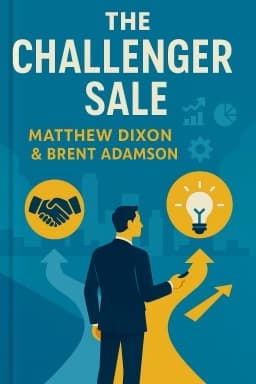
The Dark Side of Challenger Selling: What Critics Get Right
Is the Challenger Sale overrated? A balanced look at its limitations and what to watch out for.

Introduction: A Model Under the Microscope
Since its release, The Challenger Sale has sparked intense debate. While many sales leaders swear by its insights, others argue that the model is too academic, that it underestimates the power of relationships, or that it can backfire if misapplied. In this blog, we’ll dive into the most common criticisms, examine where Challenger selling works—and where it doesn’t—and offer guidance for using it wisely.
Is Challenger Selling Too Conceptual?
Some critics say the book’s advice is hard to put into practice, especially for new reps. The focus on insight and teaching can seem abstract, and not every sales team has the resources to generate compelling insights. The solution? Blend Challenger principles with practical sales training and real-world examples.
Relationship Selling Still Matters
While the data shows Challengers outperform Relationship Builders in complex sales, that doesn’t mean rapport is irrelevant. In fact, the best Challengers build trust by caring enough to challenge. The danger comes when reps become adversarial or ignore the human side of selling.
Challenger Isn’t One-Size-Fits-All
The Challenger model shines in complex, high-stakes deals—but may be less effective in transactional or commodity sales. Leaders should tailor their approach to the sales environment and customer expectations.
The Risk of Over-Challenging
Challenging customers is powerful, but it must be done with empathy and preparation. Pushing too hard, too soon can alienate buyers. The best Challengers listen as much as they teach, and know when to back off.
Conclusion: A Tool, Not a Religion
The Challenger Sale offers powerful insights, but it’s not a magic bullet. Use it as one tool in your sales toolkit—alongside relationship-building, consultative selling, and active listening. The best salespeople adapt, blending approaches to fit the customer and the deal.
Want to explore more insights from this book?
Read the full book summary