
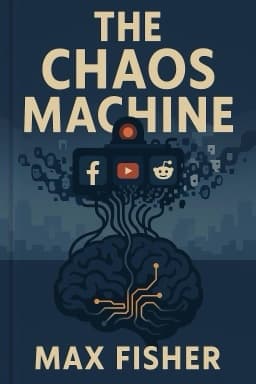
Inside the Social Dilemma: How Silicon Valley Hijacks Your Mind and What You Can Do About It
Unveiling the hidden forces behind social media addiction and digital manipulation with actionable insights for reclaiming your attention.

In today's hyperconnected world, social media platforms have become ubiquitous, shaping how we communicate, learn, and even think. But beneath the sleek interfaces and endless streams of content lies a complex web of psychological manipulation and technological design aimed at capturing your attention and monetizing your behavior.
The Birthplace of the Digital Mind
Silicon Valley’s story begins not with casual innovation but with Cold War military contracts that seeded a culture of secrecy and rapid technological advancement. Stanford University’s research park became a nexus where academia, defense, and startups converged, creating a unique environment that prized engineering brilliance and contrarian thinking. Venture capitalists further reinforced a narrow demographic, funding founders who mirrored their own values and backgrounds. This insularity shaped the values embedded in the platforms we use today, emphasizing disruption, libertarian ideals, and a disdain for regulation.
The Psychological Hooks: Dopamine and the News Feed
Social media platforms exploit the brain’s dopamine system, delivering unpredictable rewards through likes, comments, and notifications. This intermittent variable reinforcement pattern is akin to slot machines, compelling users to check their devices compulsively. The personalized news feed amplifies emotional content, especially outrage, keeping users scrolling indefinitely.
Identity and Tribalism Online
Humans evolved to live in groups, and our sense of self is tightly linked to group acceptance. Social media magnifies tribal instincts, creating echo chambers where in-group favoritism and out-group hostility flourish. Algorithms prioritize content that reinforces these divisions, often promoting polarizing and fear-inducing narratives. This digital tribalism fuels social and political polarization, eroding trust and empathy.
The Dark Side: Harassment and Extremism
What began as playful trolling on anonymous forums evolved into organized harassment campaigns and extremist movements. Events like Gamergate demonstrated how coordinated online abuse can silence voices and radicalize communities. Platforms struggled to moderate this toxic content, which later contributed to real-world violence, including the January 6 Capitol attack.
Algorithms: The Invisible Drivers
Machine learning algorithms optimize for engagement, often promoting sensational and divisive content regardless of accuracy or harm. Internal research within tech companies revealed these effects, but business priorities frequently outweighed ethical concerns. This has led to widespread misinformation, increased polarization, and challenges in regulating digital spaces.
The Covid-19 Infodemic
The pandemic exposed the dangers of reliance on social media for news, especially in poorer regions where zero-rating programs made platforms the primary information source. Misinformation about treatments and vaccines spread rapidly, undermining public health efforts and leading to violence against healthcare workers.
Moral Outrage and Public Shaming
Social media intensifies moral outrage, an emotion evolved to enforce social norms, by enabling rapid viral sharing and public shaming. While this can promote justice, it often leads to disproportionate reactions, cancel culture, and further polarization.
Political Violence and Digital Radicalization
Extremist groups use social media for recruitment and coordination, contributing to real-world violence. The January 6 insurrection exemplifies how online echo chambers and conspiracy theories can mobilize masses toward violent acts.
Hope for the Future: Reckoning and Reform
Whistleblowers have exposed platform harms, fueling calls for transparency and regulation. Though challenges remain, multi-stakeholder approaches balancing free speech, innovation, and safety offer pathways to a healthier digital future.
Understanding the social dilemma empowers us to make informed choices and advocate for change. The digital world is ours to shape—let us do so wisely.
Want to explore more insights from this book?
Read the full book summary