
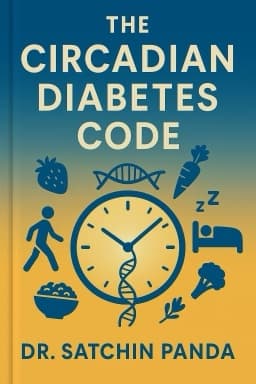
Circadian Revolution: How Your Body’s Hidden Clocks Hold the Key to Energy and Longevity
Unlocking the science of biological clocks to supercharge your health and extend your life.

The Orchestra Within: Meet Your Biological Clocks
Inside every cell of your body ticks a tiny clock, keeping time with the world around you. These circadian rhythms are ancient, encoded in your genes, and they orchestrate everything from when you feel hungry to how your body repairs itself at night. The master clock—the suprachiasmatic nucleus (SCN) in your brain—resets each day with sunlight, sending signals to synchronize the clocks in your liver, pancreas, muscles, and even fat cells. 1
When these clocks are in harmony, you wake refreshed, digest food efficiently, and heal quickly. But when life’s demands—late nights, shift work, round-the-clock snacking—throw your rhythms off, the consequences ripple outward: fatigue, cravings, weight gain, and increased risk for diabetes and heart disease.
The Genes That Tell Time
Clock genes like PER and BMAL1 switch on and off in daily cycles, directing your cells when to repair, when to burn energy, and when to rest. Disruptions in these genes can lead to metabolic chaos, making the timing of your meals and sleep as important as their quality. Recent research reveals that people with strong, consistent rhythms live longer, have more energy, and enjoy sharper minds. 4
How to Reset Your Rhythm
- Maximize Morning Sunlight: Spend time outdoors early in the day to reset your master clock.
- Move at the Right Time: Exercise in the morning or afternoon to reinforce healthy rhythms.
- Eat with the Sun: Align meals with daylight hours to support your organ clocks.
- Prioritize Sleep: Go to bed and wake up at the same time each day, even on weekends.
Stories of Transformation
People who embrace their circadian code—by making small, consistent changes—report more energy, better focus, and even reversal of chronic conditions. One retiree who began walking at sunrise and eating dinner before sunset lost weight, lowered her blood pressure, and felt years younger. 4
Why It Matters for Longevity
Strong circadian rhythms protect your DNA, reduce inflammation, and slow the aging process. By respecting your body’s natural clocks, you’re not just improving today’s energy—you’re investing in a healthier, longer life.
The circadian revolution is here. Are you ready to join?
Want to explore more insights from this book?
Read the full book summary