
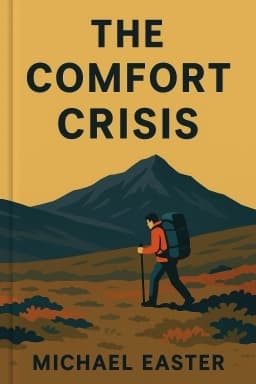
Comfort Creep: How Modern Life is Making Us Weak and Unhappy (And What to Do About It)
Uncover the hidden psychological traps of modern comfort and learn how to reclaim your resilience

Have you noticed how what once felt like a treat now seems like a necessity? This is comfort creep — a psychological trap where our brains constantly raise the bar for what we consider comfortable or acceptable.
Our minds rely on relative judgment rather than absolute measures. When problems or discomforts become rare, we start seeing neutral or positive situations as problematic. This cognitive bias, called prevalence-induced concept change, explains why we often feel anxious or restless despite living in safer, easier times.
This phenomenon has real-world consequences. Sedentary lifestyles combined with easy access to calorie-dense foods have driven obesity rates to over 70% in America. Simultaneously, urban populations report rising loneliness, with nearly half feeling socially isolated despite dense crowds. These conditions fuel depression, anxiety, and reduce overall well-being.
Breaking free from comfort creep requires conscious effort. Intentionally embracing challenges like cold exposure, physical exertion, and solitude can reset our internal thresholds. Spending time in nature, practicing mindfulness, and engaging in meaningful social connections rebuild our resilience and satisfaction.
Understanding comfort creep empowers us to reclaim control over our well-being and rediscover joy in simplicity and challenge.
Stay tuned for practical tips to combat comfort creep and cultivate a richer, more resilient life in our upcoming posts.
Sources: 1 , 2 , 3
Want to explore more insights from this book?
Read the full book summary