
Why Your Comfort Zone Might Be the Secret to True Growth (And Not Your Enemy!)
Rewriting the Rules: How Embracing Comfort Can Transform Your Life

Rewriting the Rules: How Embracing Comfort Can Transform Your Life
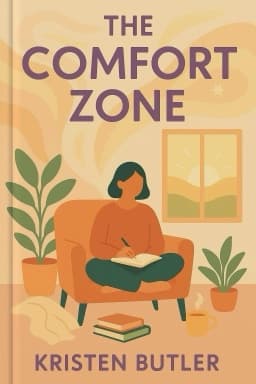
For decades, the self-improvement world has hammered home the idea that the comfort zone is a dangerous place—a velvet-lined prison that keeps us from our true potential. But Kristen Butler’s 'The Comfort Zone' turns this narrative on its head, arguing that comfort isn’t the enemy of growth, but its greatest ally. In a world addicted to hustle, stress, and the glorification of discomfort, Butler’s message is a breath of fresh air for anyone who’s ever felt guilty for wanting ease and joy in their daily life.
Let’s start with a common misconception: comfort equals stagnation. Butler traces the origins of this myth to a 2008 business paper—not ancient wisdom—highlighting that for most of human history, progress was about making life easier, not harder. From the invention of the wheel to the rise of cozy homes, our greatest achievements were born from a desire for comfort and safety. So why have we started to believe that only discomfort leads to growth?
Butler’s research and personal stories show that the comfort zone is where we feel safe, creative, and alive. She distinguishes between true comfort—a nourishing, restorative state—and complacency, which is rooted in fear and apathy. The comfort zone is not about laziness or avoidance; it’s about honoring your needs so you can expand from a place of strength.
Consider the three zones of living: the Complacent Zone (where fear and self-doubt keep you stuck), the Survival Zone (where hustle and stress lead to burnout), and the Comfort Zone (where safety and inspiration spark authentic growth). Most people bounce between survival and complacency, rarely experiencing the true comfort that allows for sustainable change. Butler offers practical tools to help you identify your current zone and gently shift toward comfort, including daily rituals, self-reflection exercises, and the powerful SEE Pyramid—Safety, Expression, Enjoyment.
What’s truly revolutionary about Butler’s approach is her emphasis on self-trust and self-esteem. She explains how honoring your comfort zone rebuilds confidence, allowing you to take risks and try new things from a foundation of support. Instead of forcing yourself into discomfort, Butler invites you to expand your comfort zone gradually, using small, positive experiences to acclimate to new challenges. This method isn’t just kinder—it’s more effective, as research shows that gradual acclimation leads to lasting change while reducing the risk of burnout. 1 2 3
Butler’s book is filled with inspiring examples of people who transformed their lives by coming home to comfort—whether it’s the creative who found their best ideas in a peaceful environment, or the professional who rebuilt their career by prioritizing self-care. The message is clear: Growth doesn’t have to hurt. In fact, the most meaningful growth happens when you feel safe, supported, and authentically yourself.
Ready to challenge the status quo and embrace a new path to fulfillment? Explore the rest of this blog series for actionable insights, real-life stories, and a step-by-step guide to creating with comfort.
Want to explore more insights from this book?
Read the full book summary