
AI and Synthetic Biology: The Double-Edged Sword of the 21st Century
Why the most powerful technologies also bring the gravest risks—and how we might avoid disaster.

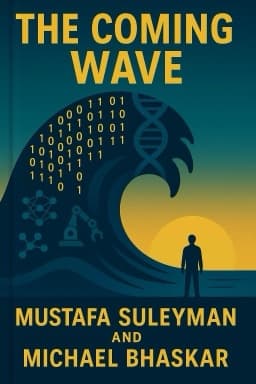
In the 21st century, few forces rival the transformative power of artificial intelligence and synthetic biology. These twin pillars of innovation promise breakthroughs that could redefine medicine, energy, communication, and even life itself. Yet, with great power comes great peril. These technologies embody a double-edged sword, capable of both unprecedented benefit and catastrophic harm.
AI’s rapid evolution from narrow algorithms to brain-scale models has shattered assumptions about machine intelligence. Self-learning systems now outperform humans in complex games, generate creative content, and assist in diagnostics. Synthetic biology, meanwhile, treats DNA as programmable code, enabling precise gene editing and the creation of novel organisms.
However, these advances upset traditional power dynamics. Technologies once monopolized by states are now within reach of individuals and small groups, creating asymmetries that destabilize governance. Automated misinformation floods, bioengineered threats, and autonomous weapons challenge national security and social cohesion.
Governments and societies face a dilemma: imposing authoritarian control risks eroding freedoms and trust, while unchecked proliferation risks catastrophic accidents or misuse. This narrow path is further complicated by pessimism aversion—the human tendency to avoid confronting frightening futures, which delays necessary action.
To navigate this dilemma, containment must be multifaceted. Technical measures like isolated testing environments, cultural norms promoting responsibility, legal regulations enforcing safety, and international treaties fostering cooperation are all essential. Transparency and accountability build public trust and enable proactive governance.
Ultimately, the double-edged sword can be wielded wisely to enhance human well-being. The future depends on our collective ability to balance innovation with caution, freedom with security, and hope with realism.
Understanding this balance is key to ensuring that these powerful technologies serve humanity rather than threaten it.
Stay tuned for the next blog where we explore concrete strategies to build this balance and safeguard our future.
Sources: 1 , 2 , 4
Want to explore more insights from this book?
Read the full book summary