
The Unstoppable Wave: How AI and Synthetic Biology Will Change Everything
Dive deep into the revolutionary technologies reshaping our world and the urgent need to navigate their risks and promises.

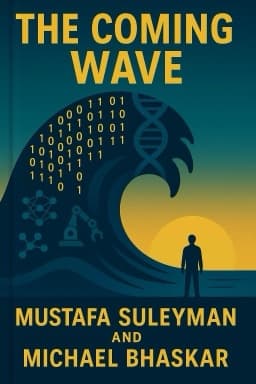
Imagine standing on the edge of a vast ocean, watching an immense wave approach. This wave is not water but the unstoppable surge of technology—specifically artificial intelligence (AI) and synthetic biology—that promises to reshape every facet of our lives. These technologies are not isolated novelties but are part of a historical pattern of technological waves that have transformed humanity since ancient times. From stone tools to the printing press, each wave spreads widely, becomes cheaper, and changes society in profound ways. Today, AI and synthetic biology represent the newest, most powerful waves, carrying both extraordinary promise and unprecedented risks.
AI has leapt from simple algorithms playing games to large-scale models capable of language, creativity, and strategic thinking. Synthetic biology allows us to read and rewrite the very code of life, opening doors to curing diseases, producing sustainable materials, and even redesigning ecosystems. However, history warns us that containment of such waves is rarely possible. Attempts to resist or control technology often fail as demand and utility overwhelm barriers.
These technologies amplify societal fragilities. They empower individuals and small groups with tools once limited to states, disrupting power balances and complicating governance. Automated misinformation campaigns, bioengineered pathogens, and autonomous weapons pose grave threats. The delicate social contracts underpinning nation-states strain under these pressures, risking instability.
Humanity faces a dilemma: the narrow path between a techno-authoritarian dystopia with pervasive surveillance and control, and an openness-induced catastrophe marked by uncontrolled proliferation and risk. Psychological biases like pessimism aversion hinder honest discussions about these risks.
Yet, all is not bleak. Building a fortress of containment involves multi-layered strategies: technical safeguards like air gaps and sandboxes, cultural responsibility and transparency, legal frameworks, and international cooperation. Lessons from nuclear non-proliferation treaties offer valuable models. Public engagement and ethical governance are essential to navigate this wave safely.
Looking beyond, we can envision a life after the Anthropocene where technology and nature coexist sustainably. Advances in clean energy, AI-driven environmental management, and inclusive innovation can help us build a future of human flourishing that respects planetary boundaries.
History shows that technology can be a force for good when guided wisely. The coming wave is both a challenge and an opportunity—a call to steer these transformative forces toward a future that uplifts humanity and preserves the world we cherish.
Remember: the wave is coming, unstoppable but navigable. Our choices now will shape whether it drowns us or carries us to new heights.
Explore more insights and strategies to face this wave in the following blogs.
Sources: 1 , 2 , 3
Want to explore more insights from this book?
Read the full book summary