
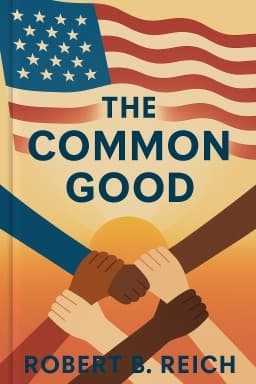
How Leadership and Truth Can Save Our Fractured Society
Explore the transformative power of principled leadership and truth in healing societal divides.

In an era marked by division and distrust, the need for principled leadership and unwavering commitment to truth has never been more urgent.
True leaders see themselves as custodians of public trust, responsible for preserving the unwritten rules and shared values that bind society. This stewardship requires courage to reject the 'whatever-it-takes' mentality that prioritizes short-term wins over long-term integrity. Leaders who embody these qualities inspire confidence, foster collaboration, and rebuild faith in democratic institutions.
Historical and contemporary examples abound of leadership that prioritizes the common good, from principled public servants to community organizers who champion transparency and accountability. Such leadership is essential to counterbalance the pervasive cynicism born from political scandals and corporate greed.
Equally vital is the resurrection of truth as a foundational common good. Democracy depends on an informed citizenry capable of discerning fact from fiction. The rampant spread of misinformation and conspiracy theories threatens to undermine democratic deliberation and social cohesion.
Protecting independent journalists, scientists, and educators is critical. Their work illuminates reality, enabling citizens to make informed decisions and hold power accountable.
Rebuilding trust requires a cultural shift that honors integrity and holds exploiters accountable. Social regulators such as honor and shame, when properly aligned, encourage ethical behavior and discourage corruption.
Leadership and truth together form the backbone of a healthy society. They empower citizens to engage in civic life, resist manipulation, and work collectively toward shared goals.
As we face complex challenges—from economic inequality to political polarization—the call for leadership as trusteeship and the defense of truth is clear. These principles offer a path to heal divisions and restore the common good.
This journey is not easy, but it is essential. It invites each of us to participate actively in the stewardship of our communities and the defense of truth.
Want to explore more insights from this book?
Read the full book summary