
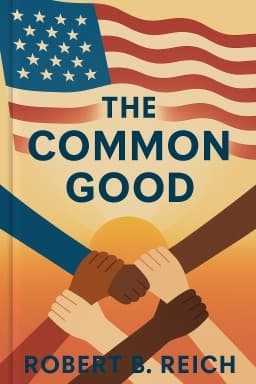
Why the Common Good is America’s Most Urgent Crisis — And How We Can Fix It
Discover the hidden crisis tearing America apart and the path to rebuild trust, truth, and shared purpose.

In the heart of every thriving society lies a simple yet profound idea: the common good. It is the invisible thread weaving individuals into a community, a moral compass guiding us to care for one another beyond mere self-interest. Yet, in America today, this precious fabric is fraying.
Historically, the common good has been the cornerstone of democratic societies, rooted in Enlightenment ideals and the vision of a virtuous citizenry committed to mutual obligations. However, over recent decades, forces of selfishness, corporate greed, and political cynicism have chipped away at this foundation. The rise of hostile corporate takeovers, skyrocketing CEO pay disconnected from worker welfare, and political scandals have sown deep distrust.
Consider the example of essential medicines whose prices were inflated by thousands of percent overnight. This act, while legal, starkly illustrates how profit-seeking can override the common good—jeopardizing lives and community well-being. Similarly, political scandals have revealed abuses of power that erode public faith in institutions.
At the core of this crisis is a leadership failure. True leadership is not about winning elections or maximizing profits; it is trusteeship—a stewardship of the unwritten rules and shared values that sustain society. Leaders who prioritize integrity and public trust can inspire collective action and rebuild faith in institutions.
Alongside leadership, the social regulators of honor and shame play a crucial role. Historically, communities have used public recognition and censure to uphold ethical behavior. Today, the inversion of these values—rewarding unethical actors while shaming whistleblowers—deepens cynicism and weakens social cohesion.
Perhaps most critically, truth itself has become a contested battlefield. Democracy depends on an informed citizenry capable of discerning fact from fiction. The spread of misinformation and conspiracy theories undermines this foundation, confusing the public and weakening governance. Protecting independent journalists, scientists, and educators is essential to resurrecting truth as a common good.
Education emerges as a vital pillar. Civic education equips citizens with the knowledge and skills to engage thoughtfully in democracy. Yet, declining civic knowledge among youth threatens the future of democratic institutions. Renewed public investment in equitable, quality education is indispensable.
Ultimately, the restoration of the common good demands collective action. It is a shared responsibility spanning generations and communities. Through principled leadership, civic education, and a recommitment to truth, honor, and mutual obligation, society can rebuild the bonds that unite us.
This awakening is not only necessary but possible. It begins with each of us embracing our role as stewards of the common good, fostering trust, and championing the values that sustain a just and flourishing society.
For those eager to understand the depths of this crisis and the hopeful paths forward, this exploration draws on the compelling insights of thought leaders and historical lessons, weaving a narrative of challenge and possibility.
Join the movement to restore the common good—for our communities, our nation, and generations to come.
Want to explore more insights from this book?
Read the full book summary