
Bourgeoisie vs Proletariat: The Epic Battle That Defines Our Lives
Unveil the dramatic conflict between the capitalist class and the working masses that drives history and shapes our present.

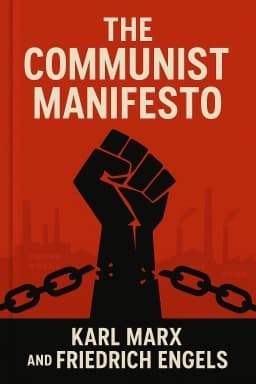
At the heart of the Communist Manifesto lies a vivid portrayal of two classes locked in an epic struggle: the bourgeoisie and the proletariat. Understanding their origins, roles, and conflicts is key to grasping the manifesto’s revolutionary message.
The bourgeoisie emerged as a powerful class by overthrowing feudal structures and establishing capitalist economies. They revolutionized production through industry, technology, and global trade, creating wealth and markets on an unprecedented scale. Yet, this wealth was built on the exploitation of the proletariat—the workers who own no means of production and must sell their labor to survive.
The proletariat faces alienation in industrial labor, reduced to repetitive, machine-like tasks that strip work of creativity and satisfaction. Their economic vulnerability and market dependency fuel dissatisfaction and political awakening, leading to the formation of trade unions and revolutionary movements.
Communists propose abolishing bourgeois private property—factories, land, and capital—while preserving personal possessions. This aims to end exploitation and establish collective ownership, empowering the proletariat to shape society democratically.
Historical examples from the industrial revolution to modern labor struggles illustrate the enduring nature of this class conflict. The manifesto’s insights remain crucial for understanding contemporary issues like income inequality, workers’ rights, and social justice.
This epic battle continues to define our lives, shaping economic systems and political movements worldwide.
Want to explore more insights from this book?
Read the full book summary