
Why We Can’t Resist Pleasure: The Surprising Science Behind Every Craving
Unlocking the Hidden Forces That Drive Our Desires

Unlocking the Hidden Forces That Drive Our Desires
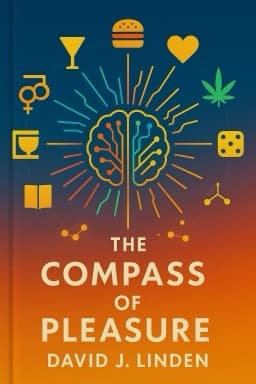
Imagine a world where every choice you make—from the food you eat to the risks you take—can be traced back to a hidden compass inside your brain. According to neuroscientist David J. Linden, that’s not just a metaphor: it’s the reality of the human pleasure circuit. In 'The Compass of Pleasure,' Linden reveals that our brains are wired with a powerful reward system, rooted in the medial forebrain, that drives us to seek out experiences that feel good. But this system is a double-edged sword: it motivates us to survive and thrive, yet it also makes us vulnerable to addiction and compulsion.
At the heart of this system is dopamine, a neurotransmitter that acts as the brain’s motivational currency. Contrary to popular belief, dopamine isn’t just about feeling good—it’s about wanting, learning, and reinforcing behaviors. Did you know? In classic experiments, rats will press a lever to stimulate their pleasure centers thousands of times an hour, even ignoring food and water. This isn’t just animal behavior; it’s a window into our own struggles with temptation, from overeating to endless scrolling on social media.
Linden’s research shows that the same pleasure circuit is activated by everything from chocolate to sex, gambling, and even acts of generosity. In fact, brain scans reveal that giving to charity lights up the same reward centers as eating your favorite dessert. This blurring of lines between virtue and vice challenges our assumptions about morality and self-control. Why do some people fall into addiction while others don’t? Genetics play a big role: variations in the D2 dopamine receptor gene can make some brains more sensitive to reward, and others more resistant—leading to different vulnerabilities.
But there’s hope. The brain’s plasticity means that we can rewire our habits, recover from addiction, and even find new sources of joy through mindfulness and intentional change. By understanding the science behind our cravings, we can learn to navigate the modern world’s endless temptations with wisdom and resilience. Ready to take control of your compass? Start by paying attention to the small pleasures in your day—and notice how your brain responds. The journey to self-mastery begins with understanding what truly drives you.
References:
2
3
4
Want to explore more insights from this book?
Read the full book summary