
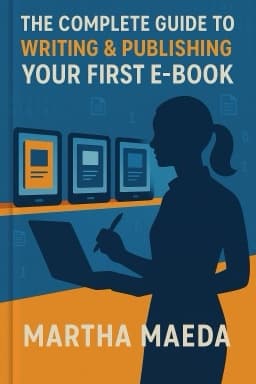
Unlock the Future of Reading: 8 E-Book Publishing Trends You Can’t Ignore in 2025
Discover the groundbreaking shifts transforming e-book publishing and how you can ride the wave to success.

Imagine holding a book that not only tells a story but also reacts to your choices, immerses you in soundscapes, and learns your preferences to suggest the next perfect read. This is no longer science fiction but the emerging reality of e-book publishing in 2025.
One of the most exciting trends is the rise of interactive e-books, where readers influence plot directions or access embedded multimedia such as videos, animations, and quizzes. This format is particularly popular in educational and children’s literature, enhancing engagement and retention.
Artificial intelligence is another game-changer. AI-powered tools assist authors in writing, editing, and even generating content ideas, accelerating the creative process and improving quality. These technologies democratize publishing, enabling new voices to emerge with professional polish.
Multi-platform publishing is now essential. Readers expect seamless access across devices—smartphones, tablets, e-readers, and desktops—with synchronized progress and personalized recommendations. Platforms like Amazon Kindle, Apple Books, and emerging decentralized marketplaces compete to offer the best ecosystems.
Subscription services and social reading communities are reshaping how books are consumed. Readers subscribe to vast libraries for a monthly fee, sharing highlights and reviews in real time, creating dynamic literary conversations.
Data analytics empower authors and publishers to understand reader behavior deeply, tailoring marketing and content strategies. Pricing models are increasingly flexible, with authors experimenting with free chapters, pay-what-you-want, and tiered access to maximize reach and revenue.
Environmental consciousness also plays a role, with digital publishing seen as a greener alternative to print, though debates continue about energy consumption of devices and servers.
These trends converge to create a future where stories are more immersive, accessible, and personalized than ever before. For aspiring authors, embracing these innovations can unlock new creative potentials and business models.
As we explore these trends, keep in mind that the core of publishing remains the power of storytelling—technology is simply a new canvas.
Stay tuned for our next blog where we’ll guide you through crafting compelling e-books that captivate today’s digital readers.
Want to explore more insights from this book?
Read the full book summary