
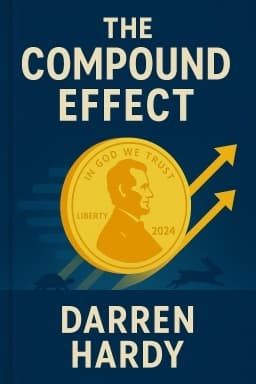
Why Most People Fail at Success: The Hidden Power of The Compound Effect
Uncover the common pitfalls that derail success and how to overcome them using the compound effect.

Success is often portrayed as a glamorous destination reachable by talent or luck. However, the reality is far different. Most people fail not because they lack ability, but because they misunderstand the power of small, consistent actions. The Compound Effect explains that success is the result of daily choices compounded over time.
One major pitfall is impatience. Many quit before the compound effect has time to manifest because early progress is invisible. For instance, someone trying to lose weight might give up after a week of no visible change, unaware that fat loss compounds slowly with consistent effort.
Another common mistake is inconsistency. Sporadic bursts of effort cannot build momentum. Habits require repetition—about 300 times—to become automatic. Without this, old patterns resurface, and progress stalls.
Unconscious choices also play a role. Up to 95% of actions are habitual, often driven by environment and social influence. Surrounding yourself with negative people or consuming toxic media feeds limiting beliefs and drains motivation.
Breaking free requires awareness and responsibility. Keeping a gratitude journal shifts focus to positive inputs, rewiring the brain. Taking full ownership of your life eliminates victim mentality and empowers change.
Building momentum through routines reduces decision fatigue and propels you forward. Yet, balance is essential to avoid burnout—periodic variation keeps engagement high.
Acceleration comes from exceeding expectations. Small extra efforts compound into breakthroughs, opening new opportunities. Success is a system of integrated habits, choices, and influences—not a secret formula.
Setbacks are inevitable but serve as lessons. Patience and persistence enable resilience, helping you maintain momentum through challenges.
By understanding these hidden forces, you can avoid common traps and harness the compound effect to create lasting success.
Remember, every small choice counts. The difference between failure and success is often just one consistent, smart decision away.
Want to explore more insights from this book?
Read the full book summary