
How 'The Corrections' Predicted Our Age of Anxiety
The Novel That Saw the Future of Family and Mental Health

The Novel That Saw the Future of Family and Mental Health
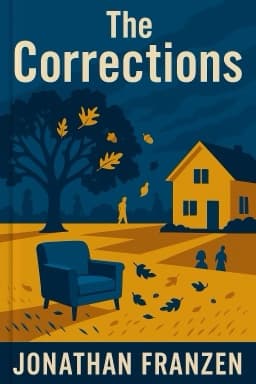
Before mental health entered the mainstream conversation, Jonathan Franzen was writing about the subtle, persistent anxieties that haunt family life. In The Corrections, each character’s journey is marked by a sense of unease—whether it’s Alfred’s silent suffering, Enid’s desperate optimism, or the children’s struggles with identity and belonging. Franzen’s depiction of background anxiety, symbolized by the ever-present alarm bell, feels eerily prescient in today’s world.
The novel explores how economic uncertainty, shifting social values, and the relentless pursuit of happiness can create a perfect storm of stress. The Lamberts’ attempts to cope—through shopping, self-help, or denial—mirror the coping mechanisms now common in our culture. Franzen’s insight that 'the very definition of mental health is the ability to participate in the consumer economy' now reads as a chilling prophecy.
Today, as more people grapple with anxiety and the pressures of achievement, The Corrections offers a roadmap for understanding—and perhaps overcoming—these challenges. Its message is clear: acknowledging our vulnerabilities is the first step toward healing.
Franzen’s novel is not just a story about one family, but a diagnosis of a society in flux. Its relevance has only grown, making it essential reading for anyone seeking to understand the roots of our modern malaise.
Sources: SuperSummary, The Guardian Book Club, Medium Book Review 3 2 1
Want to explore more insights from this book?
Read the full book summary