
The Controversies and Cultural Impact of 'The Corrections': What You Didn’t Know
From Oprah’s Book Club Drama to Literary Legacy

From Oprah’s Book Club Drama to Literary Legacy
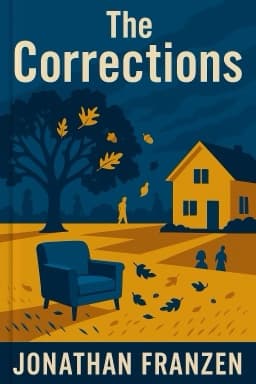
When The Corrections hit shelves, it quickly became a cultural lightning rod. Not only did it win the National Book Award and appear on countless best-of lists, but it also found itself at the center of one of the most public literary controversies of the decade. Jonathan Franzen’s ambivalence about having his novel selected for Oprah’s Book Club led to a public spat that raised questions about the divide between literary fiction and popular taste. Franzen’s comments about the club’s logo and his worries about the book’s reception among serious readers led to his invitation being rescinded—a move that made headlines and ignited debates about elitism in literature.
But the controversy did more than generate headlines. It forced readers and critics to reconsider what makes a novel 'important.' Was Franzen right to worry about being pigeonholed, or did his actions reinforce harmful stereotypes about literary snobbery? The debate continues to shape how the book is discussed in classrooms and book clubs alike.
Beyond the drama, The Corrections has had a lasting impact on American literature. Its unflinching look at family life, combined with its willingness to tackle big social issues, set a new standard for contemporary fiction. The book’s influence can be seen in the work of countless writers who followed, many of whom cite Franzen as an inspiration.
For all its controversy, The Corrections endures because it speaks to universal truths about family, change, and the search for meaning. Its legacy is not just in the awards it won, but in the conversations it started—and continues to inspire.
Sources: The Guardian Book Club, Medium Book Review, Goodreads, SuperSummary 2 1 4 3
Want to explore more insights from this book?
Read the full book summary