
The Hidden Symbols and Easter Eggs in 'The Corrections' You Probably Missed
Unlocking the Subtle Messages in Franzen's Novel

Unlocking the Subtle Messages in Franzen's Novel
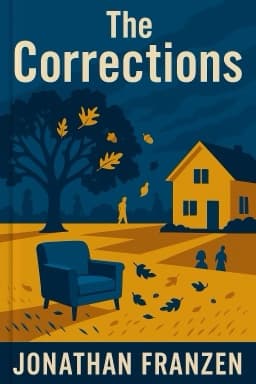
Jonathan Franzen’s The Corrections is a novel that rewards close reading. Beyond the sharp dialogue and intricate character studies, Franzen has seeded the book with symbols and recurring motifs that offer a deeper layer of meaning. Take, for instance, Alfred’s blue chair—a symbol of both comfort and isolation. It is in this chair that Alfred retreats from his family, and it is here that his struggle with illness becomes most poignant. The chair becomes a silent witness to the unraveling of a patriarch and the shifting dynamics of the household.
Another recurring symbol is the alarm bell, which only Alfred and Enid seem to hear. This faint, persistent sound is never fully explained, but it serves as a metaphor for the background anxiety that permeates the Lambert family’s life. It’s a reminder that beneath the surface of daily routines, there are unresolved fears and tensions.
Franzen also uses the family’s meals—often disastrous holiday gatherings—as a stage for both conflict and connection. The act of sharing food becomes a metaphor for the struggle to communicate, to forgive, and to heal. Even the landscape outside the Lambert home is symbolic: the changing seasons, the encroaching developments, and the fading railroad all reflect the family’s journey through time and loss.
By paying attention to these details, readers can unlock new layers of meaning in The Corrections. The novel’s richness lies not just in its plot, but in the subtle ways it mirrors the emotional lives of its characters.
Sources: SuperSummary Study Guide, Medium Book Review, The Guardian Book Club 3 1 2
Want to explore more insights from this book?
Read the full book summary