
Are Your Thoughts Holding You Back? How to Escape Mental Traps and Think Creatively
Discover the hidden biases that limit your ideas and how to overcome them for breakthrough creativity
Every day, our minds filter an overwhelming flood of information, but this filtering isn’t always helpful.
Imagine two people watching the same event but interpreting it completely differently because their minds highlight different details. This selective perception shapes how we form opinions and solve problems. It’s why people tend to read news that aligns with their views and why businesses sometimes fail to adapt—they simply don’t see alternatives.
Another common trap is our attachment to 'pet ideas'—those first solutions we come up with. While these ideas can be valuable, clinging to them too tightly blocks exploration of better options. For instance, a company that refused to rethink its product line lost market relevance because it was unwilling to challenge its assumptions.
Our thinking also operates in two systems. The fast, reactive system jumps to conclusions quickly but can be prone to errors. The slower, reflective system allows for deeper analysis but requires effort and attention. Unfortunately, in today’s fast-paced world, we often default to reactive thinking, leading to rushed decisions and missed creative insights.
Recognizing these mental traps is the first step to overcoming them. You can train yourself to seek disconfirming evidence, question assumptions, and deliberately slow down your thinking when faced with complex problems. These habits open the door to fresh perspectives and innovative solutions.
By embracing uncertainty and balancing intuition with reflection, you empower your mind to break free from limiting patterns. This shift not only enhances creativity but also improves decision-making and problem-solving skills.
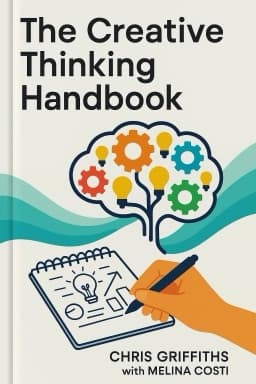
This understanding draws on cognitive psychology and creativity research, including principles highlighted in The Creative Thinking Handbook and other innovation literature. 1 4 2
Want to explore more insights from this book?
Read the full book summary