
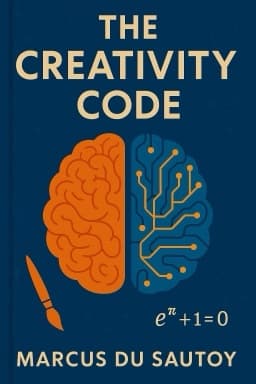
AI and the Art of Learning: How Machines Are Becoming Our Creative Partners
From Data Deluge to Creative Breakthroughs: The New Era of Learning Machines

Once, computers could only do what they were told. Today, they are learning, adapting, and sometimes even surprising us. Welcome to the age of machine learning, where algorithms are not just following instructions—they’re discovering patterns, inventing strategies, and collaborating with humans in ways we never imagined.
The secret to this transformation is data—oceans of it. In the last few years, we’ve created more data than in all previous human history combined. Machine learning algorithms feast on this data, adjusting and improving with every interaction. Neural networks, inspired by the human brain, now power everything from facial recognition to music composition.
One of the most dramatic examples came when AlphaGo, a machine built by DeepMind, defeated a world champion at the ancient game of Go. The moves it made were so creative and unexpected that even its human opponent was left in awe. This wasn’t just a victory for machines—it was a moment that redefined what creativity could mean in the age of AI.
But with great power comes great responsibility. Machine learning systems can inherit biases from their training data, and their decisions are sometimes hard to explain. As we build creative partnerships with AI, we must ensure that these collaborations are transparent, fair, and accountable.
The future of creativity is collaborative. When humans and machines join forces, blending intuition with computation, the possibilities are limitless. Together, we can solve problems, create art, and imagine worlds beyond our wildest dreams.
Want to explore more insights from this book?
Read the full book summary