
Can Machines Really Be Creative? The Surprising Truth Behind AI Art and Music
How Algorithms Are Changing the Rules of Art, Music, and Imagination Forever
For centuries, creativity was considered the last bastion of human uniqueness. From the haunting melodies of Mozart to the swirling colors of Van Gogh, we believed that true art required not just skill, but a spark of soul. Yet today, algorithms are painting portraits, composing symphonies, and even penning poetry that can move audiences to tears. Is this the dawn of a new creative age—or just a clever illusion?
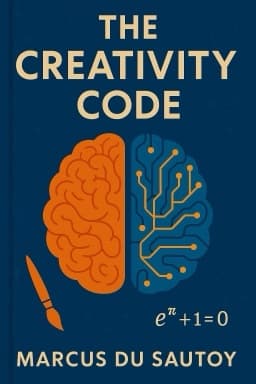
The roots of this revolution go deep. As the book explains, even the earliest computer scientists dreamed of creative machines. Ada Lovelace, the 19th-century visionary, imagined engines that could compose music. Fast forward to today, and neural networks—digital structures inspired by the human brain—are learning to see, hear, and create. These algorithms don’t just follow instructions; they learn from vast oceans of data, adapting and sometimes surprising even their creators.
But what does it mean for a machine to be creative? The book argues that true creativity requires novelty, surprise, and value. AI-generated art sometimes meets all three, producing works so original that audiences and critics alike are left guessing: human or machine? Major galleries now exhibit AI art, and algorithms can compose in the style of Bach, jazz, or something entirely new.
Yet the story is not about replacement, but partnership. Many artists use AI as a creative collaborator, generating ideas and forms they never would have imagined alone. The result is a new kind of creativity—one that is shared, blended, and sometimes even more than the sum of its parts.
Of course, this new frontier is not without its challenges. Who owns an artwork made by an algorithm? Can AI-generated music be copyrighted? And what happens when the data fed into these machines carries human biases, subtly shaping what the AI creates? As the book and leading thinkers warn, ethical oversight and transparency are more important than ever.
Ultimately, the rise of creative machines is not an end, but a beginning. By collaborating with algorithms, humans are discovering new ways to express themselves, solve problems, and even understand what it means to be creative. The future of art and music may be written in code—but its heart will always beat with the mystery and wonder that makes us human.
Want to explore more insights from this book?
Read the full book summary