
Who Really Owns AI Art? The Hidden Dangers and Dilemmas of Creative Machines
Why the Next Mona Lisa Might Not Have a Human Signature—And What That Means for Us All

The rise of AI-generated art and music has sparked a wave of excitement—and a storm of controversy. When a painting created by an algorithm sells for thousands at auction, or a song composed by code tops the charts, who deserves the credit (or the cash)? And what happens when the data behind these creations carries hidden biases, shaping what the AI produces in ways we may not even notice?
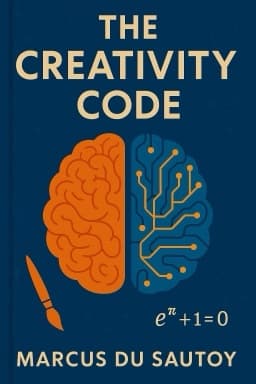
As the book and recent headlines reveal, the legal system is struggling to keep up. Some countries say only humans can hold copyright; others are debating whether programmers or users should own AI-generated works. These questions are more than technicalities—they strike at the heart of what it means to create, to own, and to be recognized.
But the challenges go deeper. AI algorithms often reflect the biases in their training data, unintentionally reinforcing stereotypes or excluding certain voices. And as these systems grow more complex, even their creators can’t always explain how decisions are made—a “black box” effect that raises serious questions about trust and accountability.
For artists, technologists, and policymakers, the message is clear: human oversight and ethical design are essential. We must demand transparency, fairness, and accountability from our creative machines—because the future of art, music, and imagination depends on it.
Want to explore more insights from this book?
Read the full book summary