
Why Every Leader Needs to Practice Extreme Ownership Today — The Ultimate Guide
Master the battlefield-tested leadership principles that can transform your team and career.

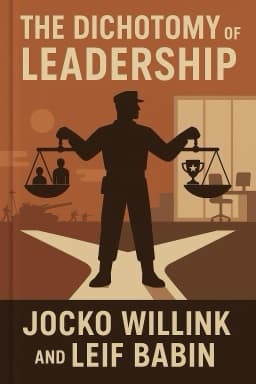
Leadership is more than a title or a role; it is a responsibility that demands unwavering commitment and accountability. In the groundbreaking book Extreme Ownership, former Navy SEAL officers Jocko Willink and Leif Babin reveal how the battlefield-tested leadership principles they learned can revolutionize how leaders operate in any environment.
At its core, Extreme Ownership means taking full responsibility for all outcomes in your world, no matter the circumstances. This level of ownership requires leaders to balance seemingly contradictory qualities: deep care for their people and ruthless commitment to mission success. As Willink and Babin explain, leaders must care deeply about their team’s well-being while accepting the risks inherent in accomplishing difficult objectives.
One of the most profound challenges leaders face is avoiding the trap of micromanagement. Over-controlling every detail stifles creativity and initiative, turning team members into passive followers. Conversely, being too hands-off breeds chaos and misaligned efforts. The solution lies in decentralizing command—empowering junior leaders to take ownership of their roles while maintaining clear boundaries and trust. This approach unleashes the full potential of the team and drives mission success.
Discipline is another cornerstone of Extreme Ownership. Leaders must hold their teams to high standards without becoming tyrannical. This requires conserving leadership capital—the trust and influence a leader builds—by focusing enforcement on what truly matters and explaining the reasons behind rules to gain buy-in. Such balanced discipline fosters respect and morale.
Training plays a vital role in preparing teams for the unexpected. Rigorous yet smart training pushes teams beyond comfort zones without overwhelming them, building resilience and adaptability. Realistic scenarios that simulate actual conditions help teams develop decision-making skills under pressure.
Finally, effective leadership demands planning that is thorough but not overcomplicated. Plans must be simple, clear, and flexible to allow teams to adapt as situations evolve. Aggressive leadership that seizes the initiative while carefully managing risks ensures momentum without recklessness.
This blog has synthesized key lessons from Extreme Ownership alongside insights from business leaders who have applied these principles to turn around companies and build high-performing teams. Whether you lead a small team or a large organization, embracing Extreme Ownership can transform your leadership journey.
Ready to take ownership? The path starts with humility, courage, and a commitment to lead by example.
Sources: 1 , 3 , 4
Want to explore more insights from this book?
Read the full book summary