
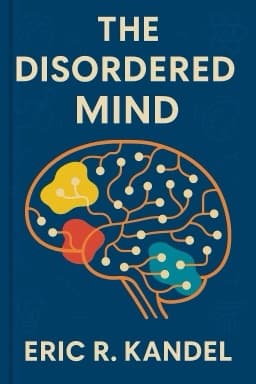
From Sea Slugs to Supercomputers: The Surprising Science Behind Memory and Learning
What a Sea Slug Can Teach Us About Remembering—and Forgetting
What a Sea Slug Can Teach Us About Remembering—and Forgetting
Memory is the cornerstone of identity. It is how we learn, how we grow, and how we make sense of the world. But memory is not a static archive; it is a living, breathing process, forever shaped by biology and experience. Did you know that some of our deepest insights into memory came from studying a simple sea slug? The story of Aplysia, with its few thousand neurons, opened the door to understanding how experiences physically alter the brain. Each time you learn something new, your neurons change—growing new connections, strengthening old ones, or pruning away what’s no longer needed.
But memory is not just about storage; it’s about meaning. Emotional events are etched more deeply than neutral ones. The brain’s hippocampus acts as a gateway, turning fleeting experiences into lasting memories. Yet, forgetting is just as vital. Without it, we would be overwhelmed by trivia and unable to adapt. Disorders like dementia, amnesia, and PTSD reveal the fragility and power of memory, showing how the loss or distortion of memory can reshape the self.
Modern science uses brain imaging, genetics, and even artificial intelligence to unravel the secrets of memory. We now know that genes provide the foundation, but experience sculpts the final form. And technology is a double-edged sword: while it helps us learn and remember, it can also distract and overload us.
Want to boost your own memory? Sleep, exercise, and meaningful engagement are key. And never underestimate the power of storytelling—our brains are wired to remember stories far better than facts.
In the end, memory is a miracle of biology, a testament to the brain’s adaptability and creativity. By understanding how it works, we can harness its power to learn, heal, and grow—today and for the future.
Want to explore more insights from this book?
Read the full book summary