
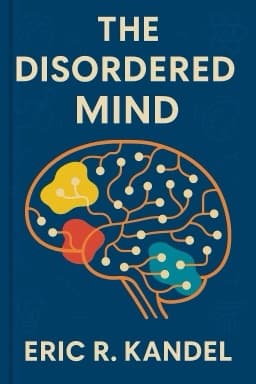
Unlocking the Hidden Universe: How Your Brain Shapes Every Moment
Discover the Astonishing Power and Fragility of Your Mind

Discover the Astonishing Power and Fragility of Your Mind
Imagine a universe more complex than the Milky Way, pulsing and shimmering within you. This is your brain—a living symphony of 86 billion neurons, each firing in patterns that create your thoughts, dreams, and memories. For centuries, philosophers and scientists have pondered the origins of consciousness, but only recently has neuroscience begun to reveal the breathtaking intricacies of the mind. What if I told you that every memory, every flash of joy or sadness, every creative spark, and even your sense of self are the product of this hidden universe?
Let’s begin with evolution. Our brains are the product of millions of years of adaptation. The same circuits that help a bird navigate the sky or a mouse remember a safe path have been reshaped and expanded in us, enabling language, art, and reason. But this evolutionary legacy is a double-edged sword: instincts that once kept us safe can now fuel anxiety, and ancient emotional circuits can clash with modern life’s demands.
Genes are only half the story. While your DNA provides the blueprint, your experiences—every conversation, every challenge, every moment of love or loss—sculpt your brain’s connections. This lifelong dance between nature and nurture means your brain is as unique as your fingerprint.
But what happens when the mind’s harmony is disrupted? Brain disorders, from autism to depression to schizophrenia, are not just sources of suffering—they are windows into the mind’s architecture. For instance, studying the sea slug Aplysia helped scientists uncover the molecular secrets of memory, while cases of brain injury revealed how specific regions govern language, movement, and emotion. By understanding what goes wrong, we learn what makes us human.
The social brain is perhaps our greatest triumph. From the first smile of a newborn to the bonds of lifelong friendship, our brains are wired for connection. Autism spectrum disorders, for example, show us how delicate and complex these circuits are, and how differences in wiring can lead to both challenges and unique strengths. Empathy, trust, and even creativity are woven into the fabric of our neural networks.
Mood and memory are inseparable from the sense of self. Depression, the world’s leading cause of disability, warps not only mood but also memory and identity. Yet the same brain plasticity that makes us vulnerable also enables healing. Modern treatments—from antidepressants discovered by accident to innovative therapies like ketamine—are giving hope to millions. And brain imaging now shows that psychotherapy can literally rewire the mind.
Schizophrenia, often misunderstood and feared, reveals the fragility of thought itself. Hallucinations, delusions, and cognitive disruption are the result of faulty pruning and dopamine imbalance. Early intervention, personalized care, and community support can make all the difference—reminding us that the mind, though easily fractured, is also resilient.
As science advances, a new humanism is emerging. Stigma is falling, and mental health is increasingly seen as a universal challenge, not a personal failing. Personalized medicine—guided by genetics and brain scans—offers hope for treatments tailored to the individual. And creative expression, from art to music to storytelling, is being embraced as a vital part of healing.
The future of the mind is one of empathy, science, and hope. Every mind is a world unto itself, and every difference is a thread in the tapestry of humanity. By understanding the brain, we not only unlock the secrets of the self, but also build a more compassionate, inclusive world for all.
Want to explore more insights from this book?
Read the full book summary