
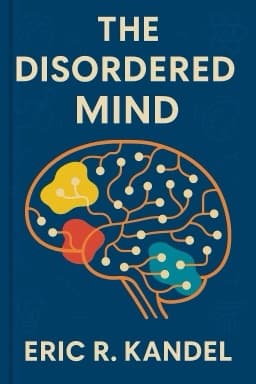
When the Mind Breaks: What Brain Disorders Teach Us About Being Human
The Hidden Wisdom in the Struggles of the Disordered Mind

The Hidden Wisdom in the Struggles of the Disordered Mind
There is a quiet wisdom in the struggles of the mind. Every diagnosis—autism, depression, schizophrenia—is not just a label, but a story of adaptation, courage, and discovery. For too long, society viewed mental illness through the lens of fear and stigma. But neuroscience is rewriting the narrative, showing that brain disorders are not moral failings, but medical conditions rooted in biology and experience.
Autism reveals the diversity of social minds, highlighting both challenges and unique strengths. Depression, the world’s leading cause of disability, warps mood and memory, but also responds to new treatments and therapies. Schizophrenia, with its fractured thoughts and perceptions, teaches us about the unity and fragility of consciousness itself. Each disorder unmasks the hidden architecture of the brain, showing what happens when circuits misfire or connections are lost.
The history of psychiatry is a journey from chains to compassion. Visionaries like Philippe Pinel and Emil Kraepelin insisted on humane treatment, while today’s scientists use imaging, genetics, and personalized medicine to tailor care. Embracing neurodiversity—valuing differences rather than erasing them—benefits everyone, fostering creativity, resilience, and empathy.
Community support, creative expression, and open dialogue are essential for healing. Whether you are struggling or supporting someone who is, remember: the mind is both fragile and strong, and every story matters.
By understanding brain disorders, we not only help those who suffer, but also deepen our understanding of what it means to be human.
Want to explore more insights from this book?
Read the full book summary