
7 Habits of Wildly Effective Leaders (You Won’t Believe #5!)
Discover the timeless habits that separate top performers from the rest, inspired by Drucker’s groundbreaking insights.

Discover the timeless habits that separate top performers from the rest, inspired by Drucker’s groundbreaking insights.
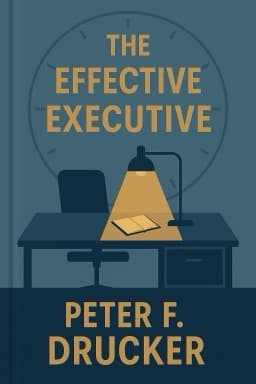
What if the secret to extraordinary leadership wasn’t about being the smartest or the loudest in the room? What if it was about mastering a handful of habits that anyone—yes, anyone—can learn? Peter Drucker’s classic, The Effective Executive, remains the gold standard for leadership wisdom, and in this post, we’ll unpack the seven habits that define truly effective leaders in today’s fast-paced world.
1. Ruthless Time Management
Every leader gets the same 24 hours. But effective executives treat time like gold. They log it, analyze it, and aggressively cut out waste. Imagine a CEO who starts every week by reviewing a detailed time log, spotting hidden time drains like unnecessary meetings or routine crises. By protecting large blocks of uninterrupted time, they create space for deep work and strategic thinking.
2. Focus on Contribution, Not Just Effort
It’s easy to get lost in busyness, but Drucker teaches us to ask: What can I contribute? Effective leaders look outward, measuring their impact by results, not hours worked. One hospital manager transformed her team’s culture by making every meeting about patient outcomes, not checklists. The ripple effect? Higher morale, faster recoveries, and a reputation for excellence.
3. Build on Strengths
Forget trying to fix every weakness. The best leaders double down on strengths—their own and others’. They design roles that stretch people, not stifle them, and trust star performers with big responsibilities. Research shows teams that focus on strengths are more engaged, innovative, and successful.
4. Prioritize Like a Laser
With demands coming from every direction, the ability to set—and reset—priorities is a superpower. Drucker’s advice: Do first things first, and just as importantly, decide what NOT to do. High performers keep their to-do lists short and their stop-doing lists even shorter.
5. Decisive, Not Indecisive
Effective executives make decisions systematically. They define the problem, seek diverse viewpoints, encourage dissent, and act boldly. Most importantly, they follow through—assigning clear responsibilities and deadlines. Studies show that organizations with clear decision processes outperform those that rely on gut instinct alone.
6. Meetings That Matter
Love them or hate them, meetings are a fact of life. But Drucker’s leaders run them with purpose: short, focused, and always ending with clear action items. They use reports not as rituals, but as springboards for action.
7. Relentless Self-Improvement
The world changes fast, and yesterday’s answers may not solve tomorrow’s problems. Effective executives practice feedback analysis—comparing intentions with outcomes—and use every success and failure as a learning opportunity. They cultivate a growth mindset, staying curious and adaptable.
Conclusion: Legacy Over Position
The habits you practice daily shape not just your results, but your legacy. Titles fade, but the impact you leave—on people, culture, and performance—endures. Start with one habit, build momentum, and watch your effectiveness soar. For more actionable insights and modern tools to support these habits, check out our recommended resources below.
Sources:
1
2
3
Want to explore more insights from this book?
Read the full book summary