
Revolutionizing Education: How 'The Element' Calls for a Creative Renaissance
Why our schools must change to unlock every child’s creative potential.

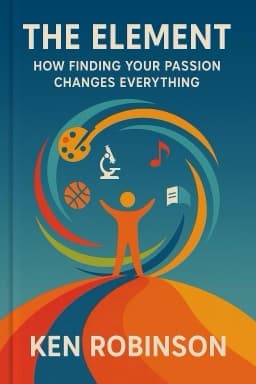
Our education systems have long prioritized standardized testing and a narrow set of academic skills, often at the expense of creativity and diverse intelligences. Ken Robinson’s The Element offers a compelling critique and a hopeful vision for change.
Standardized tests tend to narrow curricula, sidelining arts, physical education, and creative subjects that are vital for holistic development. This approach can disengage students whose strengths lie outside traditional academics.
Robinson advocates for embracing the theory of multiple intelligences, which recognizes that people learn and express themselves in varied ways. Personalized learning environments that adapt to individual talents and interests can ignite passion and unlock potential.
Innovative schools around the world are pioneering creative curricula, flexible assessments, and supportive cultures that nurture every student’s Element. These models demonstrate that education can be joyful, inclusive, and deeply effective.
Transforming education is not just about individual success; it’s about preparing society for a future that demands creativity, adaptability, and collaboration.
By listening to Robinson’s call, educators, policymakers, and communities can work together to create systems where every learner thrives and contributes their unique gifts.
Sources: 1 , 2 , 3
Want to explore more insights from this book?
Read the full book summary