
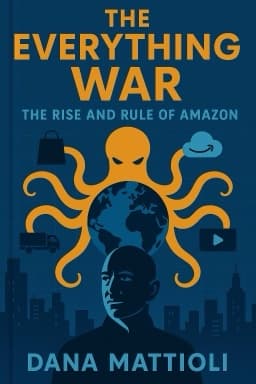
Inside Amazon’s Empire: How Jeff Bezos Built the Everything Store That Changed the World
A deep dive into the visionary beginnings, relentless culture, and unstoppable growth of the company that reshaped global commerce.

When Jeff Bezos started Amazon in 1994, few could have predicted the scale and scope the company would achieve. What began as an online bookstore operating out of a small garage in Bellevue, Washington, quickly grew into a sprawling empire that transformed commerce, technology, and even global society.
The early days were marked by modest sales—just over $12,000 in the first week—but an unrelenting focus on customer experience set the foundation for explosive growth. Amazon’s IPO in 1997 was a pivotal moment, signaling Wall Street’s faith in its long-term potential despite a lack of profits. The culture that developed was both inspiring and intense. Employees worked tirelessly under a system that rewarded high performance but also fostered a ruthless environment driven by the company’s leadership principles.
Amazon’s ability to innovate extended beyond retail. The launch of Amazon Web Services (AWS) in 2006 revolutionized cloud computing, creating a major profit engine that subsidized the company’s retail ambitions. The introduction of private label products under Amazon Basics and the development of a sophisticated logistics network further cemented Amazon’s dominance. These moves created a self-reinforcing flywheel effect, drawing in more customers, sellers, and services.
Yet, Amazon’s rise has not been without controversy. Aggressive pricing strategies, data practices, and marketplace control have led to accusations of predatory behavior and unfair competition. Regulatory scrutiny has intensified worldwide, with antitrust investigations and lawsuits challenging the company’s market power. Labor disputes and unionization efforts highlight the human cost behind the company’s efficiency and scale.
Amazon’s role during the COVID-19 pandemic underscored its essential place in modern life, hiring hundreds of thousands of workers to meet surging demand. Its political influence and lobbying efforts have shaped legislation and regulatory environments, further complicating the narrative around its power and responsibility.
As we look to the future, Amazon’s story raises profound questions about the balance between innovation and monopoly, convenience and control, progress and fairness. Its legacy is still unfolding, shaped by consumer choices, policy decisions, and the evolving global economy.
This exploration draws from multiple sources, including the detailed biography 'The Everything Store' by Brad Stone, contemporary legal analyses, and business case studies, providing a rich understanding of Amazon’s impact and the challenges it presents in the 21st century.
For anyone interested in entrepreneurship, technology, or the future of commerce, Amazon’s journey offers invaluable lessons and cautionary tales alike.
Sources: 1 , 2 , 3
Want to explore more insights from this book?
Read the full book summary