
Aging Backwards? The Surprising Power of Belief on Longevity
How Changing Your Mindset About Aging Can Add Years to Your Life

How Changing Your Mindset About Aging Can Add Years to Your Life
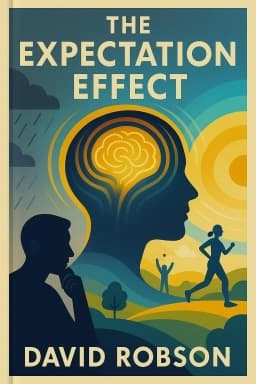
What if the secret to aging well wasn’t just in your genes or your diet, but in your mind? The Expectation Effect uncovers a remarkable truth: people who expect to age with vitality and purpose actually do. In cultures where elders are celebrated as wise and capable, older adults enjoy better health, greater independence, and longer lives. But where aging is seen as decline, illness and frailty follow. The difference is not just psychological—it’s biological. Studies show that positive beliefs about aging can add more than seven years to lifespan, independent of health habits or socioeconomic status.
How does this work? Expectation shapes behavior, but also triggers real changes in hormones, immune function, and even gene expression. People who see aging as growth are more likely to stay active, seek new challenges, and recover faster from setbacks. Those who expect decline may withdraw, become anxious, and experience faster physical deterioration.
Robson’s book is filled with examples: from communities where centenarians thrive, to experiments where simply reading positive words about aging improved memory and walking speed in seniors. The stories we tell—at home, in media, and in our own self-talk—become scripts that our bodies follow.
Want to age well? Start by challenging negative stereotypes. Seek out role models who defy the myths. Practice gratitude for the wisdom and perspective each year brings. And above all, expect more from the years ahead. Your body—and your future—will thank you.
Want to explore more insights from this book?
Read the full book summary