
The Hidden Epidemic: How Expectations Spread Through Social Networks
Why Your Friends’ Beliefs Might Be Shaping Your Reality

Why Your Friends’ Beliefs Might Be Shaping Your Reality
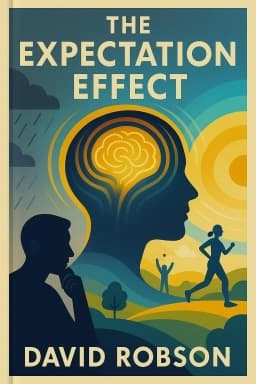
We like to think of our beliefs as private, but science shows they’re anything but. In The Expectation Effect, David Robson explores how expectations, moods, and even physical symptoms can ripple through social groups, shaping collective reality. Mass psychogenic illness—where dozens or hundreds develop symptoms after seeing others suffer—shows just how contagious expectation can be. Mirror neurons in our brains make us physically and emotionally echo those around us, for better or worse.
Cultural scripts are powerful too. In some societies, stories of resilience and hope foster collective well-being; in others, fear and decline become self-fulfilling prophecies. The media, our families, and our communities all contribute to the stories we absorb and pass on.
But this epidemic can be positive as well. When one person reframes a challenge, finds relief, or models resilience, that too can spread. Support groups, positive storytelling, and community rituals all help create waves of healing and hope. The key is to become a positive node in your network: share uplifting stories, reframe setbacks, and offer encouragement. Your influence may be stronger than you think.
So next time you feel swept up in a wave of pessimism, pause and ask: whose story am I living? Then choose to write a new one—not just for yourself, but for everyone around you.
Want to explore more insights from this book?
Read the full book summary