
This Book Will Change How You Think: The Expectation Effect’s Mind-Blowing Science
Discover the Hidden Force Shaping Your Life and Health

Discover the Hidden Force Shaping Your Life and Health
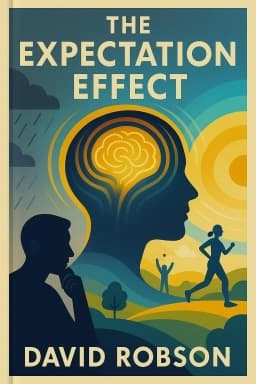
Imagine waking up tomorrow with the realization that your beliefs—the silent, persistent expectations running in the background of your mind—are quietly sculpting your body, your health, and your destiny. That’s the provocative promise at the heart of David Robson’s groundbreaking book, The Expectation Effect. Drawing on a wealth of scientific research and captivating stories, Robson invites us to consider: What if the stories we tell ourselves are the most powerful medicine of all?
At its core, the expectation effect is the idea that what we expect—about our health, our abilities, even our future—can become self-fulfilling prophecies. This isn’t wishful thinking or woo-woo magic; it’s hard science, backed by decades of research. For example, studies show that patients given placebos often experience real relief from pain, depression, and even Parkinson’s symptoms—sometimes even when they know the pill is inert! The body responds to the mind’s cues, releasing its own painkillers and healing agents.
The flip side is the nocebo effect: negative expectations can cause real harm. People told to expect side effects from harmless sugar pills often develop headaches, nausea, or fatigue. In some tragic cases, individuals have even died after being mistakenly told they had a terminal illness, their bodies succumbing to the expectation of decline.
But the expectation effect isn’t limited to medicine. It shapes our performance, resilience, and even how we age. In one remarkable study, hotel cleaners who were told their daily work counted as exercise saw improvements in weight and blood pressure, despite no change in activity. Athletes, students, and professionals alike can unlock hidden reserves of strength and creativity simply by changing their beliefs about what’s possible.
So how can we harness this power? Robson offers concrete strategies: reframe symptoms as signs of healing rather than harm; visualize success before a challenge; adopt a growth mindset that sees abilities as flexible, not fixed. Even the language we use matters—describing aging as a time of wisdom and growth, rather than decline, can add years to our lives and improve health outcomes.
Community plays a role too. Our expectations are shaped not just by inner thoughts, but by the stories we hear from family, friends, and culture. Mass hysteria and social contagion show how symptoms and beliefs can spread through groups. But so can hope, resilience, and healing. By sharing positive stories and reframing challenges together, we multiply the effect.
In the end, The Expectation Effect is a call to agency. We may not control every circumstance, but we can choose our response—and that choice, repeated daily, shapes our reality. Whether you’re facing illness, striving for a goal, or simply seeking to live more fully, the science is clear: expectation is not just a lens, but a lever.
So the next time you catch yourself expecting the worst, pause, reframe, and remember: your mind is more powerful than you think.
Want to explore more insights from this book?
Read the full book summary