
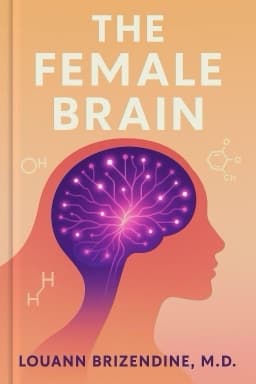
Love, Desire, and the Female Brain: The Neurochemical Symphony You Didn’t Know About
Unveil the hidden brain chemistry behind female love, trust, and sexual desire that shapes intimate relationships.

Love is more than a feeling; it’s a complex neurochemical dance within the female brain. When a woman falls in love, dopamine floods the brain’s reward circuits, creating euphoria and intense focus on the beloved.
Oxytocin, the 'love hormone,' is released during hugging, kissing, and intimate moments, building trust and emotional attachment. This hormone transforms passion into lasting bonds, essential for romantic and maternal connections.
Testosterone, often linked to males, plays a crucial role in female libido, sparking desire and influencing orgasmic capacity. Female sexual arousal requires the quieting of the amygdala— the brain’s fear center— allowing pleasure centers to activate fully.
Understanding this neurochemical symphony helps explain the intensity, vulnerability, and joy of romantic relationships. It also sheds light on the biological basis of trust, jealousy, and heartbreak.
For more insights on the female brain’s chemistry of love and desire, explore expert resources and scientific summaries available online. 1 4 2
Want to explore more insights from this book?
Read the full book summary