
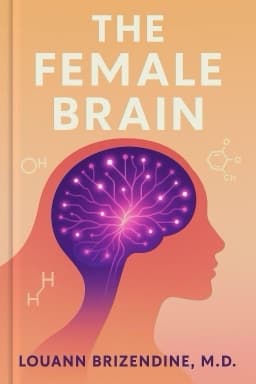
The Hormonal Rollercoaster: How Puberty and Menopause Shape the Female Mind
From the emotional storms of adolescence to the cognitive shifts of menopause, explore how hormones sculpt the female brain throughout life.

Hormones are the unseen architects of the female brain’s journey through life. Puberty marks the onset of dramatic hormonal shifts that rewire the brain and influence emotions, cognition, and social behavior.
Estrogen and progesterone fluctuations during puberty cause mood swings and heightened emotional sensitivity. The menstrual cycle introduces cyclical hormonal tides that can lead to irritability, anxiety, and depression, especially in late puberty. Cortisol, the stress hormone, spikes more in adolescent girls facing social rejection, making them more vulnerable to emotional distress.
Yet, these hormonal changes also foster empathy and social bonding, essential for navigating complex social worlds. Girls build strong friendships that provide emotional support and resilience.
Fast forward to menopause, where estrogen levels plummet, triggering cognitive and mood changes. Estrogen supports neuron survival and brain plasticity, particularly in areas responsible for memory and decision-making. Its decline can lead to 'mental fog,' irritability, and sleep disturbances.
Hormone therapy can mitigate some menopausal brain changes if started early, preserving cognitive function and brain volume. However, timing is critical, and therapy must be personalized to balance benefits and risks.
Understanding these hormonal impacts empowers women and caregivers to approach puberty and menopause with knowledge and compassion, supporting mental health and brain resilience through life’s transitions.
For further reading, see resources from UCSF’s neuropsychiatry insights and comprehensive book summaries on female brain hormonal dynamics. 3 2 4
Want to explore more insights from this book?
Read the full book summary