
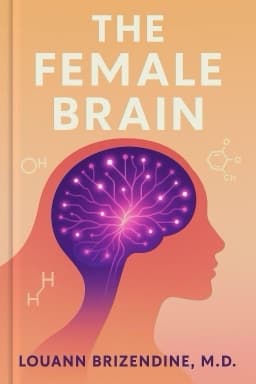
Unlocking the Secrets of the Female Brain: Why Women Think and Feel Differently
Discover the fascinating biological and hormonal factors that make the female brain uniquely wired for emotion, empathy, and connection.

The female brain has long been a subject of fascination and mystery. Dr. Louann Brizendine’s pioneering work has illuminated how unique biological and hormonal factors shape the female brain from the earliest stages of life. Unlike the male brain, which follows a different developmental path, the female brain is finely tuned for social connection, emotional processing, and empathy.
From prenatal life, the presence or absence of testosterone sculpts brain circuits that influence lifelong behavior and cognition. Female newborns show an innate preference for faces and emotional tones, indicating a brain wired for social bonding. This early sensitivity lays the foundation for advanced language skills and emotional intelligence observed in girls compared to boys.
Adolescence ushers in a storm of hormonal changes. Estrogen and progesterone fluctuations cause mood swings and heightened emotional sensitivity, while cortisol spikes in response to social stress make teenage girls more vulnerable to anxiety and depression. Yet, these hormonal tides also foster deep social bonds and empathy, enabling girls to navigate complex social landscapes.
Love and trust engage a neurochemical ballet within the female brain. Dopamine floods reward circuits to produce euphoria, while oxytocin released during intimacy builds deep trust and attachment. Testosterone, despite its male association, fuels female libido, highlighting the complex hormonal interplay behind desire and emotional closeness.
Motherhood triggers profound brain remodeling. Pregnancy causes temporary shrinkage and rewiring of brain regions to enhance maternal responsiveness. Oxytocin surges during labor and breastfeeding cement strong emotional bonds and caregiving behaviors, demonstrating the biological depth of maternal love.
Women’s brains excel at emotion and social cognition, boasting more mirror neurons and bilateral brain activation for emotional processing. This biological wiring makes women natural empaths and social communicators but also increases susceptibility to emotional overwhelm.
As women age, estrogen protects brain cells and supports cognitive function. Menopause brings challenges like memory lapses and mood changes, but timely hormone therapy and lifestyle factors can sustain brain health and resilience.
Postpartum depression affects about 10% of new mothers, resulting from rapid hormonal shifts and stress hormone dysregulation. Understanding its biological and genetic roots is vital for effective treatment and support.
Finally, female sexual orientation is fluid and exists along a spectrum, influenced by prenatal hormones and genetics. This diversity reflects the brain’s complex wiring and the natural continuum of human attraction.
This rich interplay of biology, hormones, and experience shapes the female brain’s remarkable capacity for empathy, connection, resilience, and identity, offering profound insights into women’s mental health and relationships.
For more detailed insights, visit Louann Brizendine’s official site, Scripture Savvy summary, and BookBrief summary. 1 2 4
Want to explore more insights from this book?
Read the full book summary