
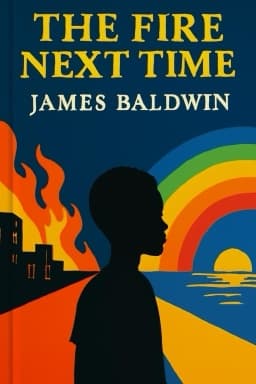
From Harlem to the World: How ‘The Fire Next Time’ Changed Literature Forever
The book that redefined the American essay and inspired generations.

The book that redefined the American essay and inspired generations.
Introduction: A New Voice in American Letters
When ‘The Fire Next Time’ was published in 1963, it was immediately recognized as a literary event. James Baldwin’s voice—lyrical, prophetic, intimate—cut through the noise of the era. He wrote not just as a witness, but as a participant, blending memoir, polemic, and poetry in a style that was wholly his own.
Blending the Personal and the Political
Baldwin’s genius lies in his ability to weave personal narrative with sweeping social critique. His essays are confessions and indictments, stories and sermons. This approach inspired a generation of writers to see their own lives as worthy of literature, and to use their voices for change.
The Power of Style
Baldwin’s prose is musical, his metaphors vivid. He moves seamlessly from the intimate to the universal, from Harlem’s streets to the halls of power. His style—at once accessible and profound—set a new standard for the American essay.
Inspiring Generations
The influence of ‘The Fire Next Time’ can be seen in the works of Toni Morrison, Maya Angelou, Ta-Nehisi Coates, and countless others. Baldwin’s willingness to confront taboo subjects, to write with both anger and love, made it possible for new voices to emerge.
Enduring Legacy
Today, Baldwin’s essays are taught in schools, quoted in protests, and cherished by readers worldwide. ‘The Fire Next Time’ is more than a book—it is a living testament to the power of literature to change minds and hearts.
For more on Baldwin’s literary impact and the book’s ongoing influence, see analyses and reviews at LitCharts, GradesFixer, and Nathan Eberline’s blog. 1 3 4
Want to explore more insights from this book?
Read the full book summary