
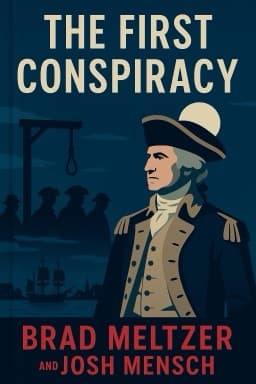
Inside New York’s Secret War: Loyalists, Counterfeiters, and the Fight for America’s Soul
How New York Became the Battleground of Loyalty and Deception

While the American Revolution is often framed as a clear-cut battle between Patriots and British forces, the reality was far more complicated — nowhere more so than in New York City. This bustling colonial hub became a crucible of loyalty and deception, where secret wars were fought in shadowy alleys and hidden rooms.
Governor William Tryon, a seasoned British loyalist and colonial governor, fled New York under threat from Patriot committees. From British warships in the harbor, he orchestrated a vast conspiracy involving bribed Continental soldiers, local officials, and criminals who operated a counterfeit currency printing press in a hidden attic on Long Island.
These counterfeit operations were more than mere crimes; they were strategic attempts to destabilize the rebel economy and undermine the revolution’s financial foundations. The intertwining of criminal enterprises with political plots illustrates the blurred lines between loyalty and opportunism in this volatile city.
Tryon’s network also plotted to kidnap or assassinate George Washington and other Patriot leaders, aiming to decapitate the revolution’s leadership. Washington’s awareness of these threats led to heightened security measures and orders to counteract Loyalist activities with force if necessary.
The story of New York’s shadow war reveals the multifaceted nature of the revolution — a conflict not only of armies but of ideologies, loyalties, and survival strategies. It underscores the high stakes and human costs of the fight for American independence.
For history buffs interested in the untold political intrigues of the revolution, this narrative offers a compelling and vivid portrait of a city at war within itself.
Sources: 1 , 4
Want to explore more insights from this book?
Read the full book summary