
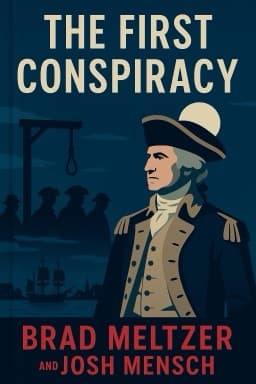
Spy Games and Secret Plots: How the Revolution Was Almost Lost from Within
Inside the Hidden War of Spies and Betrayal That Threatened America’s Birth

When we think of the American Revolution, images of open battlefields and patriotic rallies come to mind. Yet, an equally fierce and hidden conflict raged in the shadows — a war of spies, secret codes, and deadly betrayals that threatened to doom the revolution before it truly began.
One of the most shocking revelations was the treachery of Dr. Benjamin Church, the Continental Army’s first Surgeon General. Trusted by Washington and his generals, Church secretly transmitted critical intelligence to the British. His betrayal was uncovered through intercepted coded letters and the courageous confession of his mistress, exposing the depth of espionage within the Patriot ranks.
Without formal codebreakers, the Continental Army enlisted civilian cryptanalysts who painstakingly deciphered Church’s communications, marking the beginning of American cryptography. This early intelligence work laid the foundation for the sophisticated spy networks that would later play pivotal roles in the revolution.
Meanwhile, in New York City, Governor William Tryon orchestrated a Loyalist conspiracy to undermine the revolution. After fleeing to British warships to avoid Patriot arrest, Tryon coordinated bribery, counterfeit currency operations, and plans to kidnap Washington. These plots revealed the dangerous divisions within colonial society and the multifaceted nature of the conflict.
The Continental Army itself faced daunting challenges beyond the battlefield. Poor sanitation, disease outbreaks, and violent brawls among soldiers tested Washington’s leadership daily. His personal interventions and insistence on discipline were vital in holding the army together.
Washington’s strategic brilliance was most evident during the Siege of New York. The extraordinary winter transport of artillery by Henry Knox and the stealthy nighttime retreat across the East River preserved the army from destruction, proving that survival often depended on intelligence as much as force.
These intertwined stories of espionage, conspiracy, and leadership highlight that the American Revolution was as much a battle of wits as it was of muskets. The lessons learned from these early intelligence efforts continue to influence American security practices today.
For history enthusiasts and fans of spy thrillers alike, the saga of 'The First Conspiracy' offers a fascinating glimpse into the secret struggles that shaped a nation.
Sources: 1 , 2 , 4
Want to explore more insights from this book?
Read the full book summary