
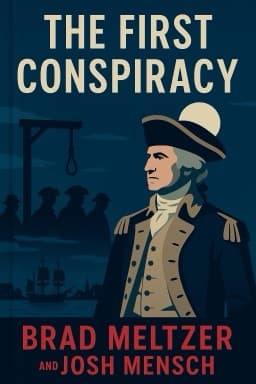
Unveiling the Deadly Secret: The First Conspiracy to Kill George Washington
Inside the Shadowy Plot That Nearly Changed America’s Destiny

The American Revolution is often celebrated as a heroic struggle for independence, but beneath the well-known battles and speeches lies a shadowy world of espionage and betrayal. 'The First Conspiracy: The Secret Plot to Kill George Washington' uncovers one of the most chilling episodes in early American history — a covert plan to assassinate the commander of the Continental Army at the very dawn of the revolution.
George Washington’s leadership was forged through personal loss and a deep commitment to honor. His survival of smallpox during a trip to Barbados granted him immunity that would later prove vital as disease ravaged his troops. Early on, Washington internalized a strict code of civility and discipline, shaping his approach to command and governance.
Yet, even as he rallied his ragtag army, spies lurked within the Patriot ranks. Dr. Benjamin Church, the first Surgeon General of the Continental Army, was revealed as a British agent, sending coded intelligence that threatened to unravel the revolutionary cause. The exposure of Church’s duplicity, aided by the brave confession of his mistress and the fledgling American cryptographers, marked the birth of American counterintelligence.
New York City became a hotbed of Loyalist conspiracies led by Governor William Tryon, who fled to British warships after Patriot threats. His secret plots included bribery, counterfeit currency operations, and plans to kidnap Washington himself. The city’s divided loyalties and underground networks created a dangerous environment where the revolution’s survival hung in the balance.
Life in the Continental Army camps was brutal. Soldiers battled not only the British but also disease, poor sanitation, and internal conflicts fueled by regional rivalries. Washington’s hands-on leadership, including personally intervening in brawls and enforcing hygiene, was crucial in maintaining order and morale.
The Siege of New York tested Washington’s tactical genius. The remarkable winter transport of artillery by Henry Knox and the daring nighttime evacuation across the East River saved the Continental Army from destruction, preserving the revolution’s hope.
Ultimately, the discovery and punishment of conspirators like Thomas Hickey reinforced the revolutionaries’ commitment to security and justice. The formation of the Committee on Conspiracies institutionalized counterintelligence efforts, setting precedents for the future United States intelligence community.
Washington’s legacy as a leader of integrity and resilience shines through these events, reminding us that the fight for freedom was as much about protecting trust and information as it was about winning battles. This story, rich with intrigue and courage, offers profound lessons on vigilance, leadership, and the fragile foundations of a nation.
For those fascinated by the untold stories of the American Revolution, 'The First Conspiracy' is a must-read that brings history’s shadows into the light.
Sources: 1 , 3 , 4
Want to explore more insights from this book?
Read the full book summary