
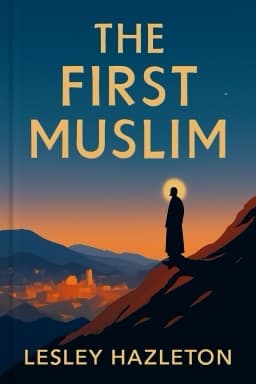
From Exile to Empire: How Medina Became the Cradle of a New Civilization
Explore the transformative migration that turned a persecuted faith into a thriving political and spiritual community.

The migration from Mecca to Medina, known as the Hijra, was a turning point not just in the life of the prophet but in the history of the Arabian Peninsula. What began as a flight from persecution soon blossomed into the foundation of a new political and spiritual order.
Medina was a melting pot of tribes, including Jewish communities, each with its own customs and allegiances. The challenge was immense: to forge unity among diverse groups and create a society based on justice and cooperation. The prophet’s leadership was tested as he negotiated alliances and drafted the Constitution of Medina, a groundbreaking document outlining rights and duties across tribal and religious lines.
Imagine the caravan crossing the desert at dawn, hopeful faces bathed in soft morning light, banners fluttering as they approached the welcoming city gates. This moment marked the birth of a community where faith and governance intertwined, and where the prophet assumed a dual role as spiritual guide and political leader.
This chapter reveals how leadership, vision, and diplomacy transformed a persecuted minority into a thriving society, setting the foundation for Islam’s future growth.
As we continue, we will witness how battles and brotherhood further solidified this new community’s identity and strength.
Sources: Amazon book description, New York Review Books, Reddit academic forums. [[3]](#__3) [[0]](#__0) [[2]](#__2)
Want to explore more insights from this book?
Read the full book summary