
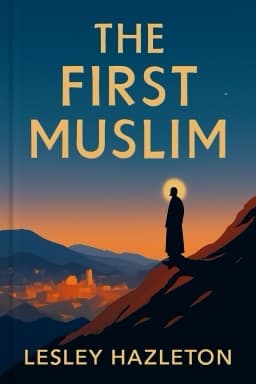
Unveiling the Orphan Prophet: How Early Loss Forged a World-Changing Leader
Discover the profound impact of Muhammad’s orphanhood and desert upbringing on his extraordinary journey.

In the vast, sun-scorched deserts of 6th century Arabia, a young boy faced the world without the comfort of parents. This boy, who would become one of history's most influential figures, was orphaned at an early age. Far from being a mere biographical footnote, this loss played a pivotal role in shaping his character and destiny.
Raised by his grandfather and then his uncle, the boy’s life was marked by movement between the city of Mecca and the harsh desert landscapes where Beduin tribes roamed. The Beduin culture, known for its fierce independence and honor codes, was imparted to him through a wet nurse who nursed him during infancy. This practice was more than nourishment; it was a spiritual and cultural transmission. The milk was believed to carry the essence of the tribe’s values, embedding within the child the strength and endurance needed to survive the desert's rigors.
Historical parallels abound: many great leaders and thinkers, from Confucius to Newton, experienced early parental loss, which seemed to ignite a profound inner drive. For Muhammad, the desert was both a sanctuary and a school. It taught him humility before the vastness of nature, the importance of loyalty, and the value of honor. These lessons would later permeate his teachings and leadership style.
Understanding this early phase is crucial to appreciating the complexity of his mission. His identity was not formed in isolation but at the intersection of loss, cultural immersion, and spiritual awakening. This foundation gave him a unique perspective on justice, compassion, and community that challenged the prevailing social orders of his time.
By examining these early experiences, we gain insight into the paradox of vulnerability and strength, a theme that echoes throughout the life of the orphan prophet. His journey from solitude to leadership offers timeless lessons on how adversity can be transformed into purpose.
As we move forward, the next chapter will immerse us into the bustling, complex world of Mecca—a city where commerce, faith, and power collided in ways that would challenge the young prophet’s vision.
Sources: New York Review Books on Muhammad’s life and legacy, Goodreads summaries, academic analyses of early Islamic history. [[0]](#__0) [[1]](#__1) [[2]](#__2)
Want to explore more insights from this book?
Read the full book summary