
How One Man’s Solo Flight Changed the World Forever: The Untold Story of Lindbergh’s Spirit of St. Louis
Discover the gripping journey of Charles Lindbergh’s historic solo flight that revolutionized aviation and inspired generations.

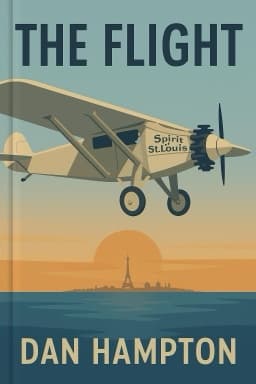
In the early hours of May 20, 1927, a sleek, silver monoplane named the Spirit of St. Louis rested on a soggy runway in Long Island, New York. Its pilot, a young aviator with a quiet determination, was about to attempt something no one had ever done before: a nonstop solo flight across the Atlantic Ocean. This wasn't just a test of machinery but of human endurance, courage, and innovation.
The design of the Spirit of St. Louis was a marvel of weight-saving ingenuity. To maximize fuel capacity for the daunting 3,600-mile journey, the plane lacked a front windshield, forcing the pilot to rely on a small periscope for forward vision. Every decision was a delicate balance between safety and necessity. The plane’s gross weight exceeded 5,200 pounds, pushing the limits of its Wright Whirlwind engine. Taking off from a muddy, rain-soaked runway demanded precise skill and nerves of steel. The pilot had to 'walk the rudder' to maintain alignment as the plane struggled to gain speed, finally lifting off barely clearing the trees and telephone wires ahead.
Once airborne, the real challenge began. Navigation over the vast, featureless ocean required a combination of traditional dead reckoning and innovative instruments like the earth inductor compass, which provided more reliable heading information than standard magnetic compasses. The pilot battled fatigue, sensory illusions, and magnetic storms that threatened to mislead his instruments. For over 33 hours, he flew alone, without a radio or parachute, managing fuel, engine performance, and mental stamina in cramped, cold conditions.
Behind this historic feat was a man shaped by a unique heritage and upbringing. Born to Swedish immigrant parents in rural Minnesota, his early life was marked by introspection, solitude, and a deep connection to nature. His father’s political career and family challenges fostered a self-reliant spirit. Early exposure to military aviation and airmail flying honed his skills and resolve, preparing him for the ultimate test.
Landing at Le Bourget Airport in Paris was met with unprecedented fanfare. Over 100,000 people flooded the airfield, overwhelming security in their excitement. Souvenir hunters damaged the plane in their frenzy, a testament to the cultural impact of the flight. The pilot’s humility amid the chaos only added to his legend.
The legacy of this flight is immense. It spurred the rapid development of commercial aviation, transforming how people perceived distance and connection. Yet, the pilot’s later life was complex, marked by political controversies and personal struggles, illustrating the multifaceted nature of heroes. His journey reminds us that courage and innovation can change the world, even as human complexities endure.
Charles Lindbergh’s solo flight remains a beacon of human achievement, a story of daring, resilience, and the relentless pursuit of dreams. It teaches us that the sky is not the limit but the beginning of endless possibilities.
Sources: Smithsonian National Air and Space Museum, Goodreads, University of Dayton Archives, Amazon Book Reviews 3 2 4 1
Want to explore more insights from this book?
Read the full book summary