
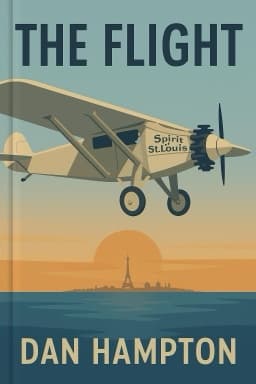
Secrets of the Spirit of St. Louis: How Weight, Weather, and Willpower Made History
Uncover the technical and human challenges behind one of the most daring flights in history.

When Charles Lindbergh prepared for his historic solo flight across the Atlantic, every pound mattered. The Spirit of St. Louis was stripped down to essentials, notably lacking a front windshield. Instead, a small periscope was installed to provide forward visibility. This radical design choice saved weight and allowed for more fuel, but it also demanded extraordinary skill and trust from the pilot.
The plane’s takeoff was fraught with difficulty. The soggy, muddy runway at Roosevelt Field made acceleration treacherous. The aircraft, weighing over 5,200 pounds, struggled to reach liftoff speed. The pilot had to 'walk the rudder,' making subtle directional adjustments to keep the plane aligned. With the engine roaring at full power, the plane barely cleared the trees and wires that bordered the runway.
Once in the air, navigation became a monumental challenge. Traditional magnetic compasses were prone to error, especially over the ocean where magnetic anomalies and storms could distort readings. The earth inductor compass, a novel instrument at the time, used electrical currents to provide a steadier heading. Lindbergh combined this with dead reckoning and careful map plotting to maintain course.
Fatigue was relentless. Flying alone for over 33 hours meant no rest. The pilot fought drowsiness with smelling salts and sheer mental discipline, aware that any lapse could be fatal. The cramped cockpit was cold and uncomfortable, with constant engine noise and vibration. Yet, he maintained precise control, monitoring fuel levels, engine temperature, and airspeed. Every adjustment was critical to survival.
Weather conditions added unpredictability. Turbulence tossed the plane, mirages played tricks on his eyes, and magnetic storms interfered with instruments. Yet, the pilot’s calm resolve and technical mastery prevailed. This flight was not just a test of machine but a testament to human endurance and ingenuity.
Ultimately, the Spirit of St. Louis landed in Paris to an ecstatic crowd, cementing the flight as a milestone in aviation history. The success was built on a foundation of meticulous engineering, innovative navigation, and unyielding willpower.
Sources: Smithsonian National Air and Space Museum, University of Dayton Archives, Goodreads 3 4 2
Want to explore more insights from this book?
Read the full book summary