
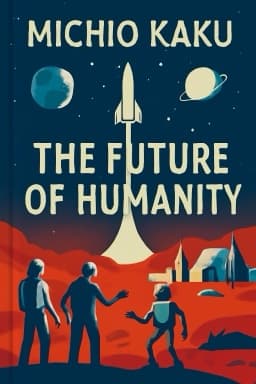
Immortality, AI, and the Next Human: Are We Ready for the Ultimate Leap?
How biotech, brain-computer interfaces, and digital minds could change what it means to be human

How biotech, brain-computer interfaces, and digital minds could change what it means to be human
Imagine a world where aging is optional, disease is a memory, and consciousness can be uploaded to digital realms. This is not just the stuff of science fiction, but the frontier of modern science. CRISPR gene editing allows us to rewrite our DNA, curing diseases and potentially extending life. Stem cells and nanobots promise to regenerate organs and repair damage at the cellular level. Artificial intelligence, once a tool, is now becoming a partner—capable of learning, adapting, and even feeling.
The quest for immortality is reshaping medicine, society, and philosophy. Some envision a future where minds are uploaded, creating digital immortals who live in virtual worlds. Others worry about new inequalities, as only the wealthy may afford the latest enhancements. What will it mean to be human in a world where biology is malleable and death is no longer inevitable?
The answers are not simple. As we merge with our machines, we must ask what we value most—individuality, connection, creativity, or something else? The future of humanity is a story of hope, risk, and transformation. The ultimate leap may be not just to new worlds, but to new forms of existence.
Want to explore more insights from this book?
Read the full book summary