
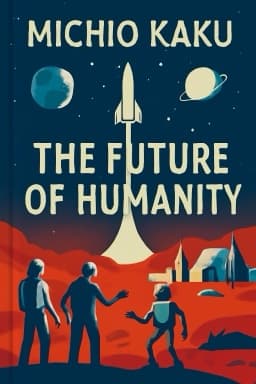
Surviving the Ultimate Catastrophe: Why We Need a Planet B (and Maybe C, D, and E)
The science and urgency behind humanity’s need to spread beyond Earth

The science and urgency behind humanity’s need to spread beyond Earth
Our planet is beautiful, but it is not safe. History is marked by disasters—asteroid impacts, supervolcano eruptions, mass extinctions. Today, we add new risks: nuclear war, climate change, engineered pandemics. The odds of any one event may be low, but over centuries, the risk becomes certainty. To survive, we must look beyond Earth.
Becoming a multiplanetary species is not just a dream—it is a necessity. Colonies on the moon and Mars are our insurance policy, a way to preserve knowledge, culture, and biodiversity. Recent missions show we can deflect asteroids, build underground shelters, and grow food in hostile environments. The first off-world settlers will be remembered as heroes who secured our future.
But this is not just about survival. It is about hope. By reaching for new worlds, we affirm our commitment to life, curiosity, and the future. The stars beckon, and our journey has only begun.
Want to explore more insights from this book?
Read the full book summary