
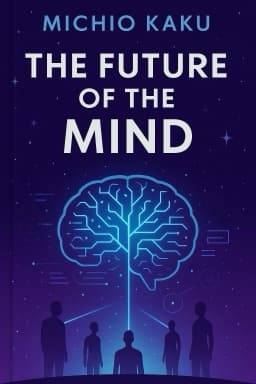
Memory Hacking: How Science Can Implant and Erase Your Memories
Could your memories be rewritten? Discover the science behind memory formation, false memories, and the revolutionary optogenetics technology.

Memory is not stored in a single location but scattered across the brain. The hippocampus plays a critical role in processing short-term memories and consolidating them into long-term storage.
Optogenetics, a groundbreaking technique, allows scientists to insert light-sensitive genes into neurons and control them with light. Using this method, researchers have implanted false memories in animals, making them believe they experienced events that never occurred. This opens possibilities for treating traumatic memories and enhancing learning but raises profound ethical questions about memory authenticity and identity.
Beyond therapy, optogenetics offers a powerful tool to map brain circuits and understand disorders like Parkinson’s and depression. As we learn to manipulate memory, we must carefully consider the implications for our sense of self and the integrity of personal history.
Next, we will explore ambitious efforts to simulate the brain itself, aiming to decode the neural basis of consciousness.
Want to explore more insights from this book?
Read the full book summary