
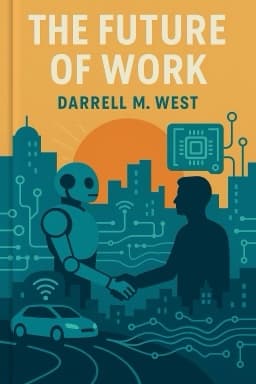
Is Your Job Safe? The Real Impact of AI and Robots on Employment
Separating fact from fiction about automation and your career prospects

The rapid advancement of robotics and AI has sparked widespread concern about job security. Studies estimate that nearly half of U.S. jobs face a high risk of automation within two decades. Routine and manual roles, such as cashiers, truck drivers, and factory workers, are particularly vulnerable. For example, autonomous vehicles promise to replace millions of driving jobs, while AI-powered kiosks are already displacing cashiers in retail.
Yet, automation also creates new opportunities. Emerging roles in AI development, data analysis, and robot maintenance require advanced skills and offer growth potential. The gig economy has expanded dramatically, with about one-third of Americans freelancing and projections indicating this will rise to 40%. While this offers flexibility, many gig workers lack benefits like health insurance and retirement plans.
The decline in traditional full-time employment is evident in workforce participation statistics. Prime-age male labor force participation dropped from 98% in the 1950s to 88% recently, disproportionately affecting less-educated and minority workers. This structural shift calls for rethinking the social contract to include portable benefits and expanded social safety nets.
Education and retraining are critical to help workers transition. Community colleges and online courses provide accessible paths to acquire in-demand skills. Policymakers are exploring earned income tax credits, paid family leave, and universal basic income as part of a comprehensive response.
Ultimately, while automation poses risks, proactive adaptation and policy innovation can mitigate negative impacts and harness technology for inclusive growth.
Want to explore more insights from this book?
Read the full book summary