
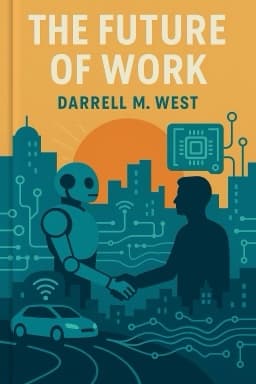
Politics and the Future of Work: Can Democracy Keep Up?
The political hurdles shaping how societies respond to technological disruption

The digital economy’s rapid evolution presents profound political challenges. While technology disrupts labor markets and economic structures, political institutions struggle with deep polarization and fragmented media landscapes.
Economic power is increasingly concentrated in urban 'superstar' cities driving innovation, yet political representation often favors rural and smaller states due to electoral systems. This geographic mismatch fuels resentment and complicates policymaking.
Social media echo chambers exacerbate divisions, undermining trust in institutions and democratic norms. Economic inequality and political fragmentation contribute to populism and social unrest, threatening democratic stability.
Reforms such as universal voting rights, campaign finance regulation, and abolishing outdated electoral mechanisms can reduce polarization and enhance governance. Strengthening democratic processes is essential to ensure policies effectively address the challenges of automation and economic change.
Only through inclusive, transparent governance can societies harness technological progress for broad-based prosperity.
Want to explore more insights from this book?
Read the full book summary