
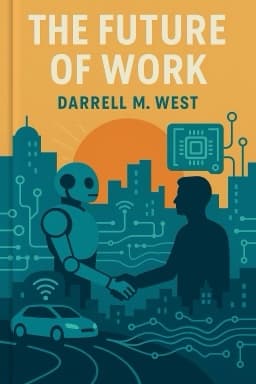
Robots, AI, and the Future of Your Job: What You Must Know Now!
How automation and AI are reshaping industries and what it means for your career

The dawn of the robotic era is not a scene from a science fiction movie but a present-day reality. Across factories, warehouses, and retail stores, robots are replacing routine human tasks with increasing efficiency. Imagine automated arms in warehouses picking and packing thousands of items daily, or digital kiosks handling customer orders without human cashiers. These machines operate tirelessly, never taking breaks or vacations, offering businesses unprecedented productivity gains.
But these robots are not mere mechanical tools; they are learning entities connected through cloud networks. When one robot discovers a more efficient method, this knowledge is shared instantly with others, creating a collective intelligence that accelerates improvement across the fleet. This 'hive mind' concept transforms isolated machines into a dynamic, self-improving workforce.
Artificial intelligence (AI) further amplifies this transformation. AI systems analyze vast amounts of data in real-time, from high-frequency stock trading to emergency response prioritization. Military applications use AI to sift through surveillance footage, highlighting threats faster than human analysts could. On the consumer front, virtual assistants like Siri and Alexa manage daily tasks, while chatbots engage in natural, emotional conversations, blurring the line between human and machine interaction.
The Internet of Things (IoT) connects billions of devices, creating smart cities where traffic lights adjust dynamically, garbage bins signal when full, and wearable health monitors transmit vital signs remotely. This interconnected ecosystem, powered by 5G networks, enables seamless communication and automation, enhancing quality of life and economic efficiency.
However, these advancements come with challenges. Job displacement threatens millions, especially in routine and manual roles. The rise of gig work offers flexibility but often lacks security and benefits. The traditional notion of stable, full-time employment is eroding, necessitating a broader definition of work that includes volunteering, caregiving, and creative pursuits.
To navigate this landscape, lifelong learning is essential. Community colleges and online platforms provide accessible retraining opportunities, helping workers adapt to new demands. Policymakers are exploring portable benefits, universal basic income, and expanded social safety nets to protect workers in fluid labor markets.
Political polarization and uneven representation complicate reform efforts, but integrated economic and political solutions can build a just and resilient future. Progressive taxation, universal voting rights, and robust education funding are key pillars.
Understanding these interconnected trends equips individuals, businesses, and governments to embrace the future of work with optimism and preparedness. The era of automation and AI is here—let's make it work for everyone.
Want to explore more insights from this book?
Read the full book summary