
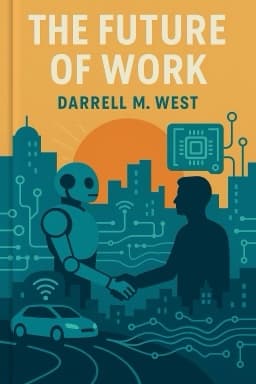
The New Social Contract: Protecting Workers in a Gig Economy
Innovative policies to ensure fairness and security for modern workers

The traditional social contract—where full-time employment guarantees access to healthcare, retirement, and paid leave—is fraying under the weight of a gig economy. Millions of workers now operate as independent contractors or freelancers, often without access to essential benefits.
Innovative policy solutions propose decoupling benefits from specific employers through portable 'citizen accounts' that workers carry across jobs. This approach ensures continuous access to health insurance, retirement savings, and other protections regardless of employment status.
Expanding paid family and medical leave policies supports workers balancing caregiving responsibilities. Enhancing earned income tax credits provides financial relief to low-wage and part-time workers. Retraining programs help displaced workers adapt to new economic realities.
Political reforms such as universal voting and campaign finance regulation can strengthen democracy, enabling more inclusive policymaking. Progressive taxation, including solidarity and wealth taxes, funds social programs and addresses inequality.
Building a new social contract that reflects the realities of modern work is essential for economic security and social cohesion. These reforms offer a humane path forward amid rapid technological and economic change.
Want to explore more insights from this book?
Read the full book summary