
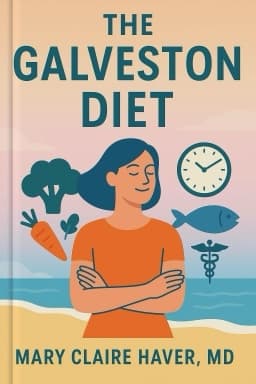
Why Counting Calories Doesn’t Work for Menopausal Women (And What Does)
Explore the hormonal reasons behind stubborn midlife weight gain and how the Galveston Diet’s hormone-focused approach breaks the cycle.

The Hormonal Puzzle Behind Midlife Weight Gain
For decades, the mantra has been 'eat less, move more.' But for women in perimenopause and menopause, this advice often feels like a cruel joke.
Estrogen decline leads to increased visceral fat and metabolic slowdown. Insulin resistance causes blood sugar spikes and fat storage. Leptin resistance disrupts hunger signals, and elevated cortisol from chronic stress promotes abdominal fat. Together, these changes create a perfect storm that traditional diets don’t address.
Intermittent Fasting: Resetting Your Metabolism
One of the most effective tools to combat hormonal weight gain is intermittent fasting. By limiting the eating window, insulin levels drop, enabling fat burning and reducing inflammation. This approach also triggers autophagy, which cleanses cells and supports overall health.
Anti-Inflammatory Foods: Healing from Within
Chronic inflammation silently sabotages weight loss and worsens menopausal symptoms. The Galveston Diet emphasizes foods that fight inflammation, such as omega-3 rich fish, colorful vegetables, and spices like turmeric, while reducing processed foods and sugars.
Macronutrient Balance: Fueling Fat Loss
Instead of slashing calories, the diet shifts macronutrients to 70% healthy fats, 20% protein, and 10% carbs, encouraging the body to burn fat rather than glucose. This helps stabilize blood sugar and supports hormonal balance.
Supporting Lifestyle Habits
Exercise, particularly strength training, preserves muscle mass and boosts metabolism. Stress reduction techniques lower cortisol, and prioritizing sleep restores hormonal harmony.
Embracing a New Paradigm
Weight loss during menopause requires understanding and working with your body’s changing hormones. The Galveston Diet offers a compassionate, science-based roadmap that empowers women to reclaim their health and vitality without guilt or frustration.
Want to explore more insights from this book?
Read the full book summary