
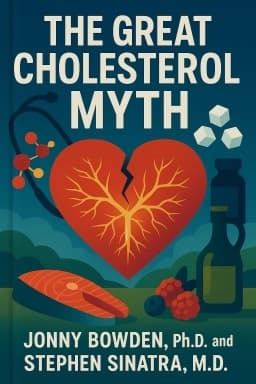
The Shocking Truth About Cholesterol: Why Everything You Know Is Wrong!
Discover the hidden facts behind cholesterol, inflammation, and how to truly protect your heart.

For decades, cholesterol has been cast as the arch-villain in the story of heart disease. Public health campaigns, medical guidelines, and even popular culture have drilled into our minds that high cholesterol is the primary cause of clogged arteries and heart attacks. But what if this belief is not only outdated but fundamentally wrong? What if cholesterol is not the enemy, but inflammation and other hidden factors are the real culprits?
Cholesterol is a vital molecule essential for life. It forms the backbone of vitamin D, steroid hormones, and bile acids necessary for digestion. Our bodies tightly regulate cholesterol levels, adjusting production based on dietary intake. Yet, early studies selectively used data to promote the idea that dietary fat and cholesterol cause heart disease, ignoring contradictory evidence. Alarmingly, about half of heart attack patients have cholesterol levels within the so-called 'normal' range, challenging the notion that cholesterol alone predicts risk.
So, what really causes heart disease? The answer lies in chronic inflammation, a silent fire smoldering within the arteries. Unlike acute inflammation, which heals wounds, chronic inflammation damages the delicate lining of blood vessels, leading to plaque buildup and arterial hardening. This inflammation is often triggered by oxidized LDL cholesterol—LDL particles damaged by free radicals—which become sticky and inflammatory, attracting immune cells that worsen artery damage.
But inflammation doesn’t arise in a vacuum. One of its main fuel sources is sugar, especially fructose, which is metabolized in the liver and converted into fat. Excess sugar intake leads to insulin resistance, trapping fat in cells, increasing triglycerides, and promoting inflammation—all key drivers of heart disease. The demonization of fat has overshadowed the far greater threat posed by sugar and processed carbohydrates.
Dietary fats themselves are nuanced. Saturated fats raise protective HDL cholesterol and benign large LDL particles, while artificial trans fats found in processed foods are the real villains that promote inflammation and heart disease. Moreover, replacing fats with processed carbs can worsen lipid profiles and metabolic health.
Statin drugs, widely prescribed to lower cholesterol, reduce inflammation but also deplete Coenzyme Q10, essential for heart muscle energy, leading to fatigue and muscle pain. Their benefits are mostly limited to middle-aged men with existing heart disease, while side effects like memory loss and increased diabetes risk are often underreported.
Advanced testing beyond traditional cholesterol numbers reveals the true risk. Small, dense LDL particles and lipoprotein(a) – a highly inflammatory particle not measured in standard tests – are major contributors to heart disease. The triglyceride to HDL ratio is a simple yet powerful predictor of cardiovascular risk.
Natural allies like CoQ10 supplements, omega-3 fatty acids, turmeric, garlic, and lifestyle changes including exercise, stress management, and emotional expression can significantly reduce inflammation and protect your heart.
Stress and emotional health play a silent but critical role in heart disease. Chronic stress elevates inflammation, while positive social connections and emotional expression reduce risk and promote healing.
Ultimately, heart health is holistic. It requires a balanced approach addressing physical, emotional, and social well-being. By moving beyond the cholesterol myth and focusing on inflammation and lifestyle, you can reclaim your heart and live a vibrant, healthy life.
This new understanding challenges decades of conventional wisdom and empowers you with knowledge to take control. It’s time to rethink heart disease and embrace a future where your heart is protected not by fear of cholesterol, but by nurturing your whole self.
Sources: The Great Cholesterol Myth by Dr. Stephen Sinatra and colleagues, Healthy Directions, Amazon reviews, Goodreads 1 , 2 , 3 , 4
Want to explore more insights from this book?
Read the full book summary